
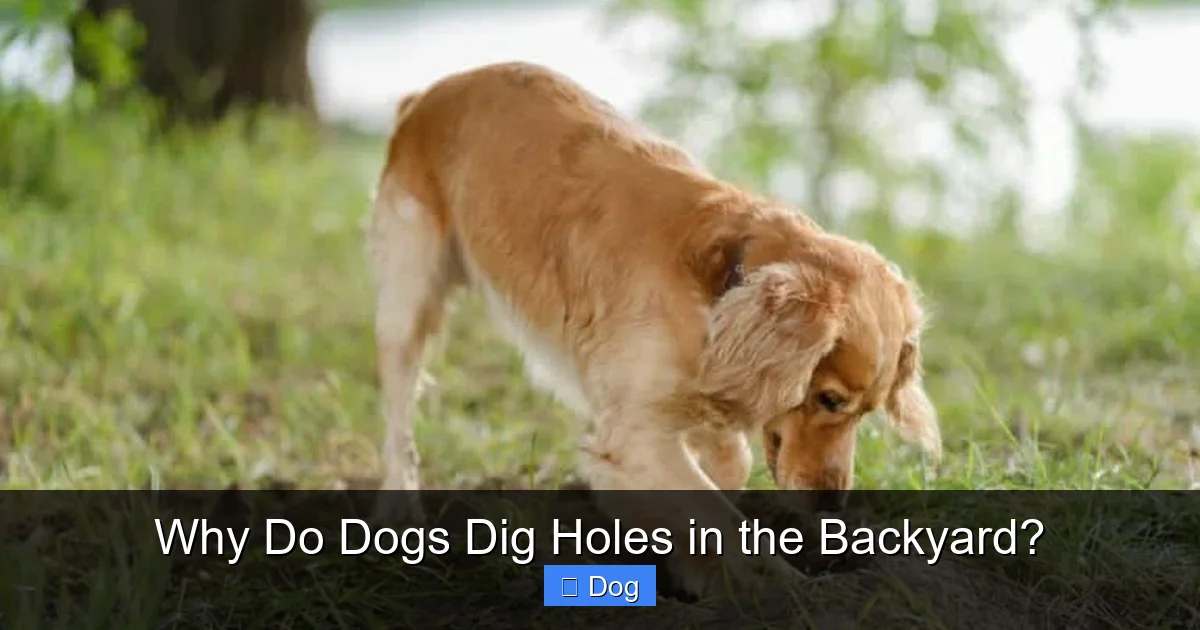
It can be frustrating when your beloved dog turns your pristine lawn into a lunar landscape, but understanding why dogs dig holes in the backyard is the first step to finding a solution. This behavior is often rooted in natural instincts, a quest for comfort, or a response to boredom and anxiety. By identifying the underlying cause, you can implement effective strategies to manage and redirect your dog’s digging habits.
Why Do Dogs Dig Holes in the Backyard?
Is your backyard starting to resemble a minefield? Do you constantly find yourself filling in freshly dug craters, wondering what on earth possessed your furry friend to wreak such havoc? You’re not alone! Many dog owners face the perplexing challenge of a dog that loves to dig. It can be incredibly frustrating to see your beautiful lawn or meticulously tended flower beds torn up, but before you get too upset, it’s important to understand one thing: digging is a perfectly natural behavior for dogs.
Your canine companion isn’t digging out of spite or to deliberately annoy you. More often than not, there’s a very good reason behind their excavation efforts, rooted deeply in their instincts, needs, or even their emotional state. Understanding *why* your dog digs holes in the backyard is the crucial first step to effectively managing the behavior and ensuring both your yard and your dog can live in harmony. Let’s unearth the common reasons behind this age-old canine mystery.
Key Takeaways
- Natural Instincts: Digging is a deeply ingrained behavior for many dogs, stemming from their ancestors’ need to hunt prey, create dens, or bury food.
- Comfort Seeking: Dogs often dig to regulate their body temperature, creating cool spots in summer or sheltered areas in winter.
- Boredom and Excess Energy: A lack of physical exercise and mental stimulation can lead dogs to dig as a way to release pent-up energy or alleviate boredom.
- Anxiety and Stress: Digging can be a self-soothing mechanism for dogs experiencing separation anxiety, fear, or general stress.
- Scent and Treasure Hunting: Dogs use their powerful sense of smell to investigate interesting scents underground or to bury treasured items like bones and toys.
- Management and Redirection: Instead of punishment, effective solutions involve increasing exercise, providing mental enrichment, creating a designated digging zone, and addressing any underlying behavioral issues.
Quick Answers to Common Questions
Can I completely stop my dog from digging?
While you might not be able to eliminate digging entirely due to its strong instinctive roots, you can certainly manage and redirect the behavior to appropriate areas.
Is digging a sign of a medical problem?
In most cases, digging is a behavioral issue rather than a medical one. However, if your dog’s behavior changes dramatically or is accompanied by other concerning symptoms, a vet check-up is always a good idea.
Do certain dog breeds dig more than others?
Yes, breeds like Terriers (e.g., Jack Russell, Fox Terrier), Dachshunds, and Beagles were historically bred for hunting burrowing animals, making them naturally inclined to dig more than other breeds.
What if my dog is digging to escape the yard?
If escape is the motive, check your fence line for weak spots and consider reinforcing it with chicken wire or an L-footer barrier buried underground. Also, address any underlying anxiety or boredom that might be driving the escape attempts.
Should I punish my dog for digging?
No, punishing your dog for digging is generally not effective and can damage your bond. It often creates fear and anxiety without addressing the root cause. Instead, focus on redirection, management, and positive reinforcement.
📑 Table of Contents
The Instinctive Digger: A Call from the Wild
For thousands of years, long before dogs became our beloved companions, their ancestors relied on digging for survival. This ancient instinct still runs strong in many of our modern breeds, making it one of the primary reasons why your dog digs holes in the backyard.
Tracing Back to Ancestors
Think about wolves, coyotes, and foxes – wild canids are natural diggers. They dig for shelter, to hide food, and to hunt. While your pampered pooch might not need to hunt for its dinner or build a den to survive the elements, these ingrained behaviors haven’t simply vanished. They’re still there, bubbling just beneath the surface, waiting for an opportunity to emerge. Breeds like Terriers, Dachshunds, and Beagles were specifically bred for digging (think badger hunting!), so for them, it’s not just an instinct but a genetic imperative.
The Hunter’s Instinct
Dogs have an incredibly powerful sense of smell, far superior to ours. What might seem like an ordinary patch of grass to you could be a bustling metropolis of fascinating scents to your dog. If they detect the presence of moles, voles, gophers, or even insects underground, their hunting instinct can kick in. They’ll start digging furiously, attempting to unearth the hidden “prey.” This type of digging is often very focused, characterized by quick, intense pawing, usually at the base of a plant or near a fence line where critters might be tunneling. They are simply trying to catch dinner or investigate an intriguing smell.
Denning Behavior
In the wild, canids create dens for safety, to raise their young, or simply to have a secure place to rest. This denning instinct can manifest in your dog as a desire to dig a sheltered spot in your yard. They might choose a secluded corner, under a bush, or next to a fence. These “dens” offer a sense of security and privacy, a place where they feel safe from potential threats or simply somewhere to retreat from the hustle and bustle of family life. It’s their way of creating a personal, safe haven.
Digging for Comfort and Security: Seeking the Perfect Spot
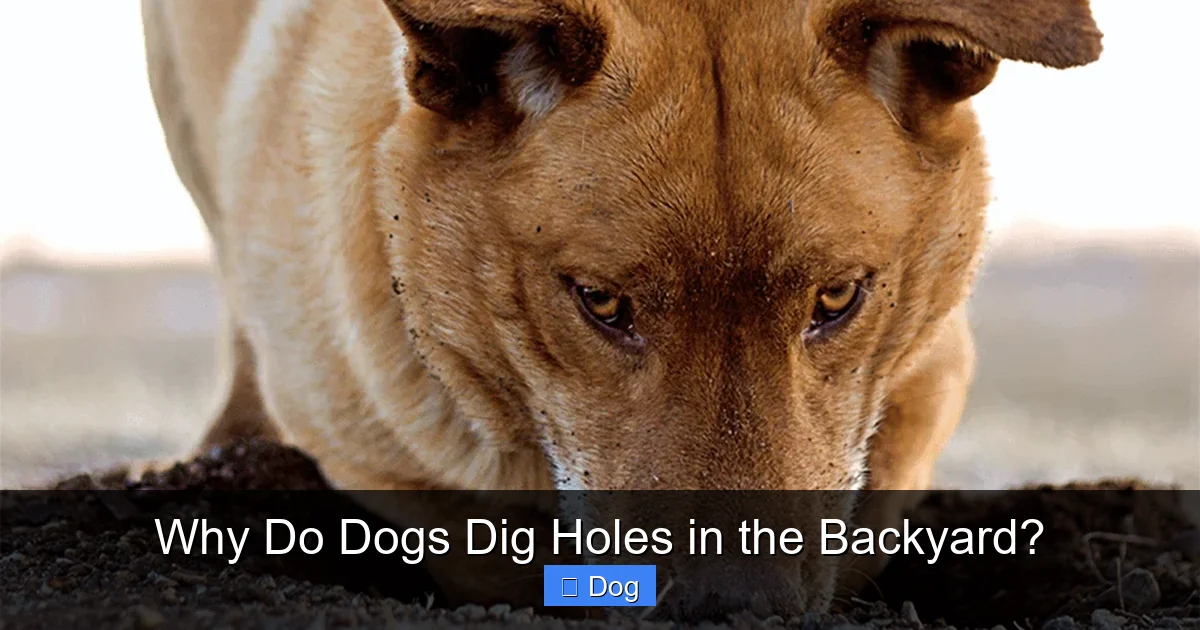
Visual guide about Why Do Dogs Dig Holes in the Backyard?
Image source: petcareadvisors.com
Sometimes, your dog’s digging isn’t about hunting or denning, but rather about making themselves more comfortable. Just like we adjust our pillows or blankets, dogs might dig to create their ideal environment. This is another common reason why your dog digs holes in the backyard.
Seeking Coolness or Warmth
Dogs can’t regulate their body temperature as efficiently as humans do. On a hot summer day, the earth just a few inches below the surface is significantly cooler than the air temperature or the sun-baked ground. Your dog might dig a shallow pit and lie in it to escape the heat, using the cool soil against their belly to lower their body temperature. Conversely, in colder climates or during chilly weather, some dogs might dig a shallow depression to shield themselves from wind and retain body warmth, especially if they are left outside for extended periods without adequate shelter.
A Sense of Security
A dug-out hole can also offer a psychological sense of security. If your dog feels exposed or vulnerable in the open backyard, a dug-out depression can provide a sense of cover and protection. It’s akin to hunkering down in a foxhole. This can be particularly true for nervous or anxious dogs who seek enclosed spaces when feeling overwhelmed. The act of digging itself can also be a calming, repetitive behavior that helps them cope with feelings of insecurity.
Boredom, Energy, and Anxiety: The Emotional Side of Digging
Beyond instincts and physical comfort, a dog’s emotional and mental state plays a huge role in their behavior. Many times, when your dog digs holes in the backyard, it’s a clear sign they are trying to tell you something about how they feel.
Too Much Energy, Not Enough Stimulation
This is one of the most common culprits. Dogs, especially high-energy breeds, need plenty of physical exercise and mental engagement. If they’re not getting enough walks, playtime, or stimulating activities, they’ll find their own ways to burn off that excess energy. Digging is a fantastic outlet for physical exertion and mental engagement – it’s a puzzle, a workout, and an adventure all rolled into one. A bored dog is a destructive dog, and digging is a prime example of redirected energy. Imagine being stuck in a small room all day with nothing to do; you’d probably start pacing or looking for ways to entertain yourself too!
Separation Anxiety and Stress Relief
For dogs suffering from separation anxiety, digging can be a coping mechanism. When left alone, anxious dogs might try to escape the yard by digging under fences. But even if they aren’t trying to escape, the repetitive action of digging can be a self-soothing behavior, a way to relieve stress and anxiety. It’s an outlet for their nervous energy, much like a person might tap their foot or bite their nails when stressed. If your dog only digs when you’re away, and shows other signs of anxiety like excessive barking, destructive chewing, or inappropriate urination, this could be a major factor.
Attention-Seeking Behavior
Let’s be honest, when your dog starts digging, you probably react. You might rush out, yell, or try to pull them away. While it’s a negative reaction from your perspective, to your dog, it’s still *attention*. If your dog feels ignored or isn’t getting enough interaction with you, they might learn that digging is a surefire way to get you to notice them, even if it’s just to scold them. They would rather have negative attention than no attention at all.
A Matter of Scent: Buried Treasures and Curious Noses
Your dog’s nose is an incredible tool, and it plays a significant role in why they dig holes in the backyard. Their world is often defined by scents, many of which we can’t even perceive.
Investigating Interesting Smells
As mentioned with the hunting instinct, dogs are driven by scents. If a fascinating smell drifts up from underground – be it from a buried snack, a tiny critter, or even just some particularly pungent soil – your dog’s natural curiosity and powerful nose compel them to investigate. They’ll follow the scent trail, digging furiously to get closer to its source, often leaving a series of exploratory holes across your yard.
Burying Valuables
It’s not just about what they find; it’s also about what they put there. Many dogs have an instinct to “cache” their valuable possessions. This behavior, called “caching,” comes from their wild ancestors who would bury surplus food to save it for later, protecting it from scavengers. Your dog might bury bones, toys, or even pieces of kibble in your backyard. They see these items as treasures and believe the safest place for them is hidden away in the cool, dark earth, ready for a rainy day. Of course, they might forget where they buried them later, leading to more digging as they try to “rediscover” their hoard!
How to Manage and Redirect Digging: Practical Solutions
Now that we’ve explored the myriad reasons why your dog digs holes in the backyard, it’s time to talk about solutions. The key isn’t to punish the digging itself, but to understand and address the underlying motivation. Punishment rarely works long-term and can create fear or anxiety. Instead, focus on redirection and meeting your dog’s needs.
Increase Exercise and Mental Stimulation
This is often the most effective solution.
- Daily Walks: Ensure your dog gets at least two good walks a day, more if they are a high-energy breed. Let them sniff and explore; this is mentally stimulating.
- Playtime: Engage in active play like fetch, tug-of-war, or frisbee.
- Puzzle Toys: Provide puzzle feeders or interactive toys that make your dog “work” for their treats. This engages their brain and keeps them busy.
- Training: Regular training sessions, even short ones, provide mental stimulation and strengthen your bond. Teach new tricks!
- Rotate Toys: Keep their toy collection interesting by rotating toys in and out, so they don’t get bored with the same ones.
Create a Designated Digging Zone
If digging is a strong instinct for your dog, you might not be able to stop it completely, nor should you necessarily want to. Instead, teach them where it IS okay to dig!
- Build a Sandbox: Designate a specific area in your yard, perhaps a corner, and fill it with sand or loose soil. You can even put a border around it to clearly define the space.
- Bury Treasures: Initially, bury some of their favorite toys or high-value treats in the digging zone to encourage them to use it.
- Positive Reinforcement: When you catch them digging in their designated spot, praise them enthusiastically and reward them. If they start digging elsewhere, gently redirect them to their digging pit.
Address Anxiety and Stress
If you suspect anxiety is the cause of your dog’s digging, a multi-faceted approach is best.
- Consult Your Vet: Rule out any underlying medical conditions first.
- Professional Help: A certified professional dog trainer or veterinary behaviorist can help diagnose and create a plan for separation anxiety or other stress-related behaviors.
- Comforting Environment: Ensure your dog has a comfortable, secure “den” (like a crate or bed) inside where they feel safe.
- Calming Aids: Discuss options like pheromone diffusers, calming supplements, or anxiety wraps with your vet.
- Never Punish: Punishment for anxiety-driven behavior only makes it worse.
Supervision and Management
While you’re working on redirecting the behavior, management is key to preventing further damage.
- Supervise Outdoors: Don’t leave your dog unsupervised in the backyard for long periods, especially if they are known diggers.
- Secure Fences: If your dog is digging to escape, ensure your fence goes deep enough into the ground or consider L-footer fencing that extends inwards underground to deter digging out.
- Temporary Barriers: Place chicken wire, large rocks, or landscape cloth over favorite digging spots to make them less appealing. You can also place unpleasant scents (like citrus peels, cayenne pepper, or dog-safe bitter apple spray) in areas you want to protect, though these often need frequent reapplication.
Reinforce Positive Behavior
Always focus on what you want your dog to do, rather than just punishing what you don’t want.
- Reward Calmness: Praise and reward your dog when they are relaxed and engaged in appropriate activities, especially when outdoors.
- Consistent Training: Use positive reinforcement methods to teach a “leave it” command or to come when called, which can be useful for interrupting digging.
- Patience is Key: Changing ingrained behaviors takes time and consistency. Be patient and persistent with your training and management strategies.
Digging is an incredibly natural behavior for dogs, stemming from a variety of instincts, needs, and emotional states. Understanding *why* your dog digs holes in the backyard is the foundation for addressing the behavior effectively. By providing ample exercise, mental stimulation, a comfortable environment, and perhaps even a designated digging zone, you can transform a frustrating habit into a manageable part of your dog’s life. Remember, your dog isn’t trying to be naughty; they’re just being a dog. With a little patience, understanding, and positive reinforcement, you can protect your yard and keep your furry friend happy and content.
🎥 Related Video: Why Do Dogs Dig Holes? Explained
📺 All you need to know about
Why do dogs dig holes? Learn the reasons behind this common behavior in dogs, from instinct to boredom. Discover why dogs …
Frequently Asked Questions
Why do dogs dig holes specifically under fences?
Dogs often dig under fences for a few key reasons. They might be trying to escape the yard due to boredom, excess energy, or separation anxiety. Alternatively, they could be investigating an interesting scent on the other side or attempting to get to another animal they perceive as prey.
My dog only digs when I’m not home. What does that mean?
If your dog primarily digs when unsupervised, especially when you’re away, it strongly suggests boredom, excess energy, or separation anxiety. They are finding an outlet for their pent-up emotions or energy because they lack stimulation or companionship.
Can covering digging spots with rocks or deterrents really work?
Placing rocks, chicken wire, or strong deterrent scents (like citrus or cayenne pepper, ensuring they are safe for your dog) in specific digging spots can temporarily discourage digging there. However, this is a management technique, and your dog might just find a new spot to dig if the underlying reason isn’t addressed.
Is it bad for my dog to dig a lot?
Excessive digging isn’t inherently “bad,” as it’s a natural canine behavior. However, it can be problematic for your yard and potentially harmful if your dog ingests something dangerous or escapes. The concern lies more in the *why* behind the digging and redirecting it to appropriate channels.
How can I teach my dog to use a designated digging pit?
To teach your dog to use a digging pit, start by burying some of their favorite toys or high-value treats just beneath the surface. When you let them into the yard, guide them to the pit. As they start digging there, offer enthusiastic praise and rewards. If they dig elsewhere, gently interrupt and redirect them to the designated pit.
My dog digs and then lays in the hole. Why?
This behavior is often linked to temperature regulation. On a hot day, the soil just below the surface is significantly cooler than the ambient air or sun-baked ground, providing a refreshing spot for your dog to lie and cool down. Conversely, it can also offer shelter from wind or cold, creating a more comfortable resting spot.