
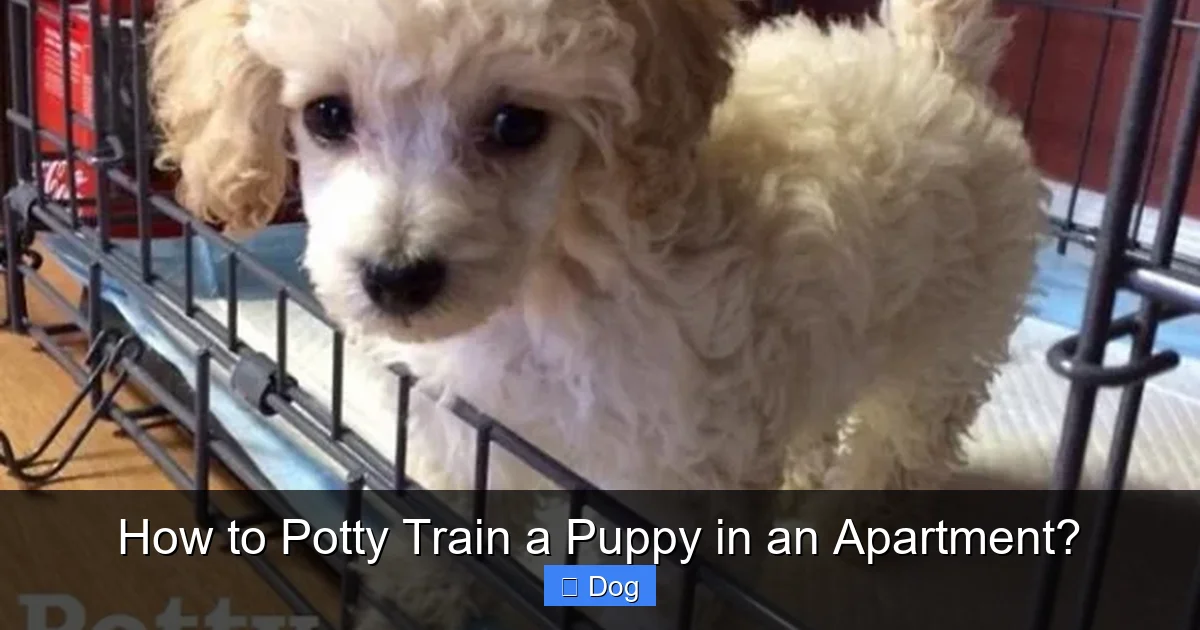
Potty training a puppy in an apartment requires consistency, patience, and smart management. Focus on a strict schedule, effective crate training, and designated indoor potty areas, always using positive reinforcement. With the right strategy, you can successfully teach your puppy where to go, even without a backyard.
Bringing a new puppy into your life is an incredibly exciting time, full of cuddles, playtime, and undeniable joy. But let’s be honest, it also comes with its fair share of challenges, and for apartment dwellers, one of the biggest questions is: “How do I successfully potty train a puppy in an apartment?” Without the luxury of a backyard or easy access to outdoor space, the thought of managing a tiny bladder in a high-rise can feel daunting. But fear not, it’s absolutely achievable!
Potty training a puppy in an apartment simply requires a slightly different approach, a bit more strategy, and a whole lot of consistency. While you might not be able to just open a door and let your pup out, with the right tools, routine, and a positive mindset, you can raise a well-potty-trained dog who understands exactly where to do their business. This comprehensive guide will walk you through every step, helping you navigate the unique aspects of apartment living to set your furry friend up for success.
Our goal is to help you create a stress-free environment for both you and your puppy, minimizing accidents and building good habits from day one. We’ll cover everything from establishing a routine to choosing the right indoor potty solutions, all designed to make the process of how to potty train a puppy in an apartment as smooth and effective as possible. Let’s get started on the path to a clean home and a happy, well-adjusted pup!
Key Takeaways
- Embrace Crate Training: A crate is a powerful tool for confinement and teaching bladder control, as puppies instinctively avoid soiling their sleeping area.
- Establish a Strict Potty Schedule: Take your puppy to their designated potty spot (indoor pad or outdoor) frequently, especially after waking, eating, playing, and before bed. Consistency is paramount.
- Designate an Indoor Potty Area: For apartment living, pee pads or artificial grass patches are essential for early training, providing a consistent, accessible spot for your puppy.
- Use Positive Reinforcement: Lavishly praise and reward your puppy immediately after they successfully potty in the correct spot. This reinforces the desired behavior quickly.
- Manage Accidents Gracefully: Interrupt accidents without scolding, immediately move your puppy to their potty spot, and thoroughly clean the soiled area to eliminate odors that attract them back.
- Monitor Your Puppy Closely: Constant supervision, especially in the early stages, helps prevent accidents and allows you to catch your puppy exhibiting potty signals.
- Patience and Consistency Are Crucial: Potty training takes time and dedication. Stay patient, stick to your routine, and celebrate small victories along the way.
Quick Answers to Common Questions
How often should I take my puppy out for potty breaks in an apartment?
For young puppies (2-4 months), you should aim for potty breaks every 1-2 hours, immediately after waking, eating, drinking, playing, and before bed. As they get older, they can hold it for longer.
Should I use pee pads or try to go straight to outdoor pottying in an apartment?
For apartment living, using pee pads or artificial grass patches initially is highly recommended as an interim solution. It provides a reliable spot for your puppy when immediate outdoor access isn’t feasible, reducing accidents and stress. You can then gradually transition to outdoor pottying.
What should I do if my puppy has an accident inside my apartment?
If you catch them in the act, calmly interrupt them and immediately take them to their designated potty spot. If you find an accident after the fact, simply clean it thoroughly with an enzymatic cleaner and don’t scold your puppy.
Is crate training essential for apartment potty training?
While not strictly “essential” for all dogs, crate training is incredibly beneficial and often considered the most effective tool when you need to potty train a puppy in an apartment. It leverages a puppy’s natural instinct not to soil their sleeping area, teaching them bladder control and preventing unsupervised accidents.
How long does it typically take to potty train a puppy in an apartment?
The timeline varies greatly depending on the puppy’s age, breed, individual temperament, and your consistency. It can take anywhere from a few weeks to several months for a puppy to be reliably potty trained. Patience and consistency are far more important than speed.
📑 Table of Contents
Understanding the Apartment Potty Training Challenge
Living in an apartment presents unique hurdles when you’re trying to potty train a puppy in an apartment. The main difference is the immediate access to an outdoor potty spot. For those in houses with yards, a quick dash outside is often all it takes. In an apartment, you might have elevators, hallways, and stairs to navigate, which can take precious minutes – minutes a puppy with a small bladder simply doesn’t have.
The Time Crunch: Every Second Counts
Puppies have very little bladder control. A general rule of thumb is that a puppy can hold their bladder for one hour per month of age. So, a two-month-old puppy can only hold it for about two hours. This means frequent trips are non-negotiable. If it takes you 5-10 minutes just to get downstairs and outside, you’ve already eaten into a significant portion of that time. This reality underscores the importance of having a reliable indoor solution as part of your strategy to potty train a puppy in an apartment.
Minimizing Contamination Risks in Common Areas
Another consideration in an apartment complex is the use of shared spaces. You want to avoid accidents in hallways, elevators, or lobbies, both for hygiene and to maintain good relationships with your neighbors. This further emphasizes the need for early indoor training and a swift, efficient system for getting your puppy to their designated outdoor spot if that’s your ultimate goal.
Building Good Habits from Day One
Regardless of your living situation, the core principles of potty training remain the same: consistency, supervision, and positive reinforcement. However, for apartment dwellers, these principles need to be applied with extra diligence and often involve an interim indoor potty solution. Learning how to potty train a puppy in an apartment successfully means being proactive and prepared.
Crate Training: Your Best Friend in an Apartment
When you’re trying to potty train a puppy in an apartment, a crate isn’t just a good idea; it’s often an essential tool. The concept behind crate training is simple: dogs are den animals, and they instinctively avoid soiling their sleeping area. A properly sized crate leverages this natural instinct to help your puppy learn bladder and bowel control.
Visual guide about How to Potty Train a Puppy in an Apartment?
Image source: comewagalong.com
Choosing the Right Crate
- Size Matters: The crate should be just big enough for your puppy to stand up, turn around, and lie down comfortably. If it’s too large, they might use one end as a potty area and the other as a sleeping area. Many crates come with dividers, allowing you to adjust the size as your puppy grows.
- Material: Wire crates offer good ventilation and visibility. Plastic (airline-style) crates can feel cozier and are often preferred by dogs who like a den-like feel.
- Comfort: Make the crate inviting with a soft bed or blanket. Never use the crate as punishment; it should be a safe, positive space.
How to Use the Crate for Potty Training
The crate helps teach your puppy to “hold it.” When your puppy is in the crate, they are less likely to have an accident. This buys you time and helps build their ability to control their urges. Here’s the routine:
- Confinement: Whenever you can’t actively supervise your puppy (even for a few minutes), they should be in their crate. This prevents them from wandering off and having an accident in a hidden corner.
- Immediate Potty Break: The very first thing you do when you take your puppy out of the crate is to carry them directly to their designated potty spot (indoor pad or outside). Don’t let them walk around the apartment first; they’ll likely go immediately upon release.
- Scheduled Crate Time: Incorporate regular crate time into your puppy’s schedule, even when you’re home, to encourage independent relaxation and reinforce bladder control.
Using a crate effectively is a cornerstone of how to potty train a puppy in an apartment. It manages their environment and teaches them to wait, which is crucial for apartment living where outdoor access isn’t instant.
Establishing a Bulletproof Potty Schedule
Consistency is king when you want to potty train a puppy in an apartment. A predictable schedule helps your puppy understand when and where they’re supposed to go, making the entire process much smoother. Puppies thrive on routine, and establishing one from day one is your best bet for success.
Key Potty Times
There are specific times when puppies are most likely to need to go. Your schedule should revolve around these:
- First thing in the morning: As soon as they wake up.
- After eating or drinking: Within 5-20 minutes, depending on the puppy.
- After waking from a nap: Again, immediately.
- After playtime or training sessions: Excitement and activity can stimulate their bladder.
- Before bedtime: One last trip before lights out.
- Every 1-2 hours in between: Especially for very young puppies. Set an alarm if you need to!
Creating Your Daily Schedule
Here’s an example of what a puppy potty schedule might look like for someone trying to potty train a puppy in an apartment:
- 7:00 AM: Wake up, carry puppy to potty spot immediately.
- 7:15 AM: Breakfast.
- 7:30 AM: Carry puppy to potty spot.
- 7:45 AM – 9:00 AM: Supervised play/training in a confined area, or crate time.
- 9:00 AM: Carry puppy to potty spot.
- 9:15 AM – 11:00 AM: Crate time/Nap time.
- 11:00 AM: Wake up, carry puppy to potty spot.
- 11:15 AM: Lunch (if applicable for young puppies).
- 11:30 AM: Carry puppy to potty spot.
- …and so on, repeating every 1-2 hours.
- Last Thing Before Bed: Carry puppy to potty spot, then into crate for the night.
Tips for Schedule Success
- Be Realistic: Adjust the frequency based on your puppy’s age, breed, and individual needs. A smaller breed puppy might need to go more often.
- Log It: Keep a potty log for the first few weeks. Note down when your puppy eats, drinks, plays, and, most importantly, when they successfully potty and when they have accidents. This will help you identify patterns.
- Stay Consistent: Weekends are not an excuse to stray from the schedule! The more consistent you are, the faster your puppy will learn.
A well-planned and strictly followed schedule is a game-changer when you’re trying to figure out how to potty train a puppy in an apartment.
Mastering Indoor Potty Solutions: Pads & Grass Patches
For apartment dwellers, relying solely on outdoor potty breaks can be impractical, especially with very young puppies or in bad weather. This is where indoor potty solutions become invaluable. Pee pads and artificial grass patches offer a consistent, accessible spot for your puppy to relieve themselves without having to leave your apartment.
Pee Pads: The Basics
Pee pads are absorbent sheets designed to soak up urine. They are often scented with attractants to encourage puppies to use them.
- Placement: Choose a specific, low-traffic area in your apartment that is easy to clean. Initially, you might have several pads spread out, gradually reducing the number as your puppy consistently uses one spot.
- Introduction: When you take your puppy to the pad, use a specific phrase like “go potty” or “do your business.” When they go, praise them lavishly and give a small, high-value treat.
- Transitioning: If your ultimate goal is outdoor pottying, you’ll eventually need to transition your puppy off pads. This involves moving the pad closer to the door, then outside, and eventually phasing it out.
Artificial Grass Patches: A Step Closer to Outdoors
Artificial grass patches (sometimes called “dog potties”) offer a more natural texture than pee pads and can be a good intermediate step if you plan to transition to outdoor pottying. They often come with a tray to collect liquid.
- Advantages: The grass-like texture can help puppies associate it with going outside. They are also more eco-friendly than disposable pads.
- Maintenance: These require regular cleaning to prevent odors and bacteria buildup. Follow manufacturer instructions for cleaning, usually involving rinsing and occasional sanitizing.
- Placement: Similar to pee pads, choose a consistent, easy-to-clean spot. Some owners even place them on balconies if allowed, creating an “outdoor” space without leaving the apartment.
Combining Indoor and Outdoor Training
Many apartment owners successfully combine indoor and outdoor training, especially for very young puppies. The indoor solution acts as a reliable backup when immediate outdoor access isn’t possible.
- Initial Focus: For the first few weeks, focus heavily on teaching your puppy to use the indoor potty spot. This builds confidence and prevents accidents.
- Gradual Outdoor Introduction: As your puppy gains better bladder control, you can start introducing more frequent outdoor trips. When outside, use the same potty command and reward heavily for success.
- Phasing Out Indoor: Once your puppy is consistently going outside and can reliably hold it for the duration of an outdoor trip, you can gradually reduce the availability of the indoor pads/grass, eventually removing them entirely.
Mastering these indoor solutions is a critical component of how to potty train a puppy in an apartment efficiently and effectively.
Positive Reinforcement, Accident Management, and Clean-Up
The core of any successful puppy training, especially when you’re trying to potty train a puppy in an apartment, is positive reinforcement. And despite your best efforts, accidents will happen – how you manage them is crucial.
The Power of Positive Reinforcement
Puppies learn best through reward-based training. When your puppy does something right, they should be immediately rewarded so they can connect their action with the positive outcome.
- Timely Rewards: The second your puppy finishes going potty in the correct spot (whether it’s an indoor pad or outside), immediately offer enthusiastic praise (“Good potty!”, “Yes!”), a small, high-value treat, and perhaps a quick pet or game. The timing is vital; even a few seconds too late and your puppy might not understand what they’re being rewarded for.
- High-Value Treats: Use treats that your puppy absolutely loves, something they don’t get often. This makes the reward more impactful.
- Avoid Scolding: Never scold, punish, or rub your puppy’s nose in an accident. This only teaches them to fear you and to hide their pottying, making training harder. It doesn’t teach them where to go.
Accident Management: When Nature Calls Indoors
Accidents are a part of the learning process. How you react will determine how quickly your puppy recovers and learns from them.
- Catch Them in the Act: If you see your puppy squatting or starting to go, calmly and quickly interrupt them with a clap or a sharp “Ah-ah!” Immediately pick them up (if small enough) or leash them and carry/lead them to their designated potty spot. If they finish there, praise and reward.
- If You Find an Accident: If you discover an accident after the fact, simply clean it up. It’s too late to correct your puppy. They won’t understand why you’re upset.
- Reflect: Every accident is an opportunity for you to review your training strategy. Was your puppy out of their crate too long? Was it time for a scheduled potty break? Were you supervising closely enough?
Thorough Clean-Up is Non-Negotiable
Puppies are attracted to areas where they’ve previously eliminated. If you don’t clean thoroughly, the residual odor (even if undetectable to humans) will signal to your puppy that this spot is a designated potty area. This is a common pitfall when you’re trying to potty train a puppy in an apartment.
- Enzymatic Cleaners: Always use an enzymatic cleaner specifically designed to break down pet urine odors. Regular household cleaners might mask the smell for humans but leave it detectable to a puppy’s sensitive nose.
- Follow Instructions: Let the cleaner soak for the recommended time to fully neutralize the odor.
- Protect the Area: After cleaning, you might temporarily block off the area or place food/water bowls there, as dogs are less likely to relieve themselves where they eat.
Overcoming Challenges and Staying Patient
Potty training, especially how to potty train a puppy in an apartment, is a marathon, not a sprint. There will be good days and bad days, successes and setbacks. Staying patient and persistent is key to helping your puppy succeed.
Common Challenges and Solutions
- Regression: Sometimes a puppy who was doing well might suddenly start having accidents again. This could be due to a growth spurt (needing more frequent breaks), a change in routine, or a medical issue (always rule out health problems with your vet if regression is sudden and severe). Go back to basics: increased supervision, more frequent potty breaks, and more crate time.
- Puppy Won’t Go on the Pad/Grass: Ensure the pad/grass is in a consistent, easily accessible spot. Try different types of pads or grass. Some puppies prefer a specific texture or scent. You can also try taking a soiled piece of pad and placing it on the new pad to encourage them to go there.
- Fear of Outdoor Sounds/Surfaces: If your puppy is hesitant to go outside, it might be due to overwhelming city noises or unfamiliar surfaces. Start by making outdoor trips very brief and positive. Carry them to a quiet, grassy spot. Praise and reward heavily for any exploration or success, no matter how small. Gradually expose them to more varied environments.
- Apartment Building Management Rules: Be aware of your building’s pet policies regarding shared spaces, outdoor potty areas, and waste disposal. Always pick up after your puppy immediately.
The Importance of Patience and Consistency
Potty training takes time. Every puppy learns at their own pace, and rushing the process can lead to more frustration and setbacks. Remind yourself that your puppy is still a baby, learning a whole new language and a whole new set of rules.
- Celebrate Small Victories: Every successful potty in the right spot is a win! Acknowledge and celebrate it.
- Don’t Get Discouraged: Accidents will happen. Don’t let them derail your efforts. Just clean up, take a deep breath, and recommit to your routine.
- Enjoy the Process: This is a bonding experience with your puppy. While it can be challenging, remember the ultimate goal: a happy, healthy, and well-adjusted companion who trusts you.
By understanding these challenges and committing to a patient, consistent approach, you are well on your way to successfully potty train a puppy in an apartment.
Potty training a puppy in an apartment is an achievable goal, even with the unique challenges of urban living. By combining effective crate training, a meticulously planned potty schedule, the strategic use of indoor potty solutions, and consistent positive reinforcement, you can guide your puppy towards excellent potty habits. Remember that patience, consistency, and a positive attitude are your best tools in this journey. Embrace the process, celebrate every success, and before you know it, you’ll have a well-trained companion who makes your apartment a happier, cleaner home. Good luck, and enjoy your wonderful new puppy!
🎥 Related Video: How to Potty Train Your Puppy if You Live in an Apartment!
📺 The Puppy Academy
Potty training is usually at the tippy top of every new puppy parents’ agenda when they bring home a new puppy. If you have a …
Frequently Asked Questions
What type of indoor potty solution is best for an apartment?
The “best” indoor potty solution depends on your puppy’s preferences and your long-term goals. Pee pads are convenient and disposable, while artificial grass patches offer a more natural feel and are reusable, which can be helpful if you’re trying to transition to outdoor pottying. Some pet owners even use litter boxes with specialized litter for small breeds.
My puppy won’t go potty when we’re outside. What should I do?
If your puppy is distracted or hesitant outside, try taking them to a quiet, less stimulating area. Use a consistent potty command (“go potty”) and be patient. Keep outdoor trips short and business-focused initially. If they don’t go within 5-10 minutes, bring them back inside to their crate for 10-15 minutes, then try again. Reward heavily when they finally do go outside.
How do I transition my puppy from indoor pads to outdoor pottying?
Start by gradually moving the pee pad or grass patch closer to your apartment door. Once it’s right by the door, move it just outside. Then, reduce the size of the pad or remove it, encouraging your puppy to go directly on the grass or pavement. Always go out on a leash to a designated spot and reward profusely for outdoor success.
Can I let my puppy free roam in my apartment once they’re potty trained?
Once your puppy has been reliably potty trained for several weeks, with no accidents, you can gradually introduce more freedom. Start by allowing them supervised access to one room, then two, slowly expanding their territory. Always maintain supervision during this transition period to catch any potential regressions.
What are the signs my puppy needs to go potty?
Common signs include sniffing around intently, circling, whining, barking, scratching at the door, or suddenly stopping play. Learning your puppy’s individual signals is crucial. If you see any of these signs, immediately take them to their designated potty spot.
My puppy is having accidents even with a schedule. What am I doing wrong?
If accidents persist, review your schedule’s frequency (are the breaks often enough for their age?), your supervision level (are they having accidents when unsupervised?), and your cleaning methods (are you using an enzymatic cleaner?). Also, consider a vet check-up to rule out any underlying medical issues like a UTI that could be causing increased urination.