

Absolutely, you can train an older dog to sit! Despite the old adage, senior dogs are perfectly capable of learning new commands, including basic obedience like “sit.” Success hinges on patience, positive reinforcement, adapting methods to their needs, and understanding that consistency and gentle encouragement are key to building confidence and strengthening your bond.
You’ve probably heard the old saying, “You can’t teach an old dog new tricks.” It’s a common phrase, often used to suggest that older individuals – whether human or animal – are set in their ways and incapable of learning something new. But when it comes to our beloved canine companions, this adage couldn’t be further from the truth. In fact, when people ask, “Can you train an older dog to sit?”, the answer is a resounding and joyful YES!
Bringing a senior dog into your home, whether they’re a rescue or your lifelong companion reaching their golden years, is a wonderful experience. These dogs often come with unique personalities, established routines, and a lifetime of experiences. While they might not have the boundless energy of a puppy, they possess a quiet wisdom and an incredible capacity for love and learning. Teaching an older dog a simple command like “sit” isn’t just about obedience; it’s about mental stimulation, building confidence, strengthening your bond, and ensuring their comfort and safety. Let’s dive into how you can successfully teach your senior dog this fundamental command.
Key Takeaways
- It’s Always Possible: Senior dogs *can* learn new tricks, including “sit.” Age is just a number when it comes to mental engagement and the desire to connect with their humans.
- Patience is Paramount: Older dogs might learn at a different pace than puppies. Be patient, avoid frustration, and keep training sessions short, fun, and positive.
- Positive Reinforcement is Key: Use high-value treats, enthusiastic praise, and gentle encouragement. Never use punishment, which can create fear, stress, and break trust, especially with an older dog.
- Consider Health & Comfort: Arthritis or other age-related conditions can make sitting uncomfortable. Consult a vet to rule out pain and adapt training to ensure your dog’s physical well-being.
- Consistency & Repetition: Short, frequent training sessions daily are far more effective than long, infrequent ones. Practice the “sit” command in various low-distraction environments to help generalize the behavior.
- Boosts Confidence & Mental Health: Learning new commands provides crucial mental stimulation, reduces boredom, and can significantly improve an older dog’s quality of life and sense of purpose.
- Strengthens Your Bond: Training is a fantastic way to spend quality time together, fostering a deeper connection and mutual understanding between you and your beloved senior companion.
Quick Answers to Common Questions
Is it really possible to train an older dog?
Yes, absolutely! Older dogs retain the ability to learn throughout their lives, although their pace might be slower than a puppy’s. Their brains can form new neural pathways, and they often respond wonderfully to positive reinforcement.
What’s the best treat for older dogs during training?
High-value, soft, and easy-to-chew treats are best. Think tiny pieces of cooked chicken, cheese, hot dogs, or specialized training treats. The smellier and tastier, the better to hold their attention.
How long should training sessions be for an older dog?
Keep sessions short and frequent. Aim for 2-5 minutes, several times a day. This helps maintain their attention, prevents fatigue, and keeps the experience positive and fun.
What if my older dog seems uncomfortable when asked to sit?
Immediately stop and consult your veterinarian. Discomfort or pain is a common reason for reluctance in older dogs. Rule out any underlying health issues like arthritis or joint pain before continuing training.
Can I use a clicker with an older dog?
Yes, a clicker can be a very effective tool for older dogs, especially if their hearing is still good. The click provides a precise marker for the exact moment they perform the desired behavior, followed immediately by a treat.
📑 Table of Contents
Dispelling the Myth: Why Older Dogs Can Learn
The idea that older dogs are untrainable is a persistent myth that does a great disservice to our canine elders. While their learning style might differ slightly from a puppy’s, their capacity to learn remains intact. Thinking about “Can you train an older dog to sit?” should always start with understanding their potential.
The Brain of an Older Dog
An older dog’s brain, much like a human brain, can continue to form new neural pathways throughout its life. While there might be some cognitive decline in very advanced age, most senior dogs retain a significant ability to learn and adapt. They might process information a little slower, require more repetition, or be less tolerant of long sessions, but their capacity for memory and association is still very much active. Just like humans enjoy puzzles or learning new skills to keep their minds sharp, older dogs benefit immensely from mental engagement. Training provides this crucial cognitive exercise, helping to stave off cognitive dysfunction and keep their minds active and engaged.
Motivation and Connection
Older dogs are often incredibly motivated by connection and comfort. They’ve lived long enough to understand the value of a good meal, a warm bed, and a loving touch. These are powerful motivators in training! Unlike puppies who might be easily distracted by every new smell or sound, an older dog might be more focused on pleasing you and earning those high-value rewards. They cherish routines and predictability, which makes consistent training sessions a comforting part of their day. The bond you share with an older dog is a fantastic foundation for any training endeavor; they often crave interaction and attention, making them eager participants when handled with kindness and respect. So, if you’re asking, “Can you train an older dog to sit?” – yes, and often with great enthusiasm from your furry friend!
Essential Preparations Before You Start Training
Before you even think about luring your older dog into a sit, a little preparation goes a long way. Setting the stage for success is crucial, especially when working with a senior dog.
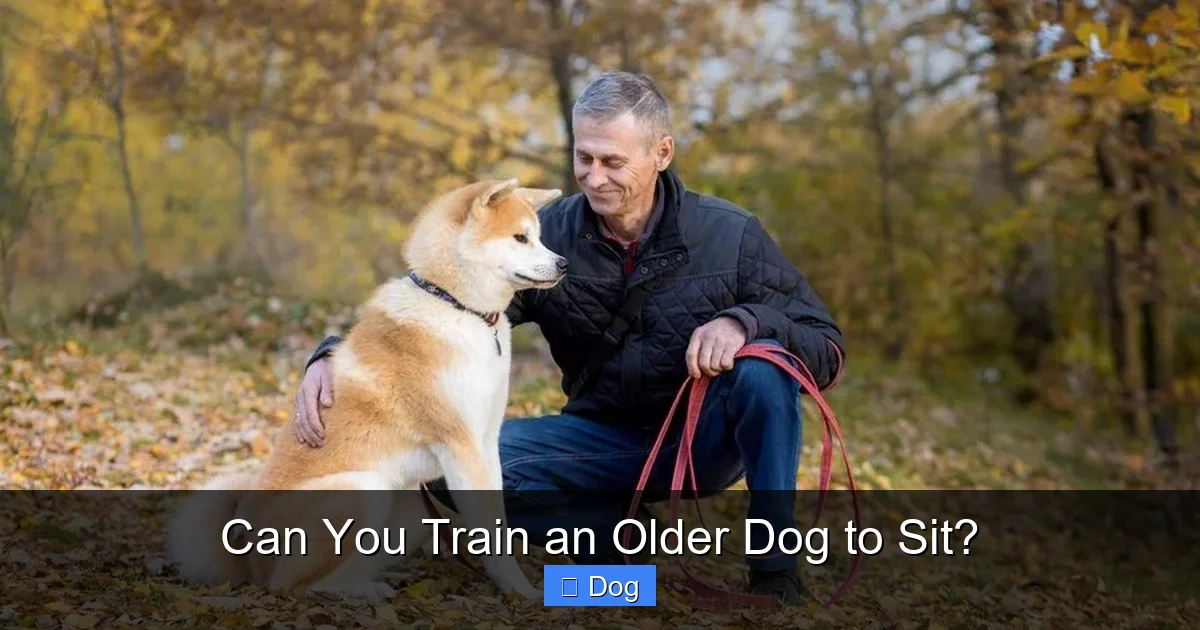
Visual guide about Can You Train an Older Dog to Sit?
Image source: dogallinfo.com
Vet Check-Up is Crucial
This is perhaps the most important first step. An older dog might have underlying health issues that could make certain positions uncomfortable or painful. Arthritis, joint pain, hip dysplasia, back problems, or even dental issues can all affect their willingness or ability to sit. Before you begin training, schedule a comprehensive check-up with your veterinarian. Discuss your training plans with them. They can assess your dog’s physical condition, recommend pain management if needed, and advise on any modifications to your training approach. Knowing your dog is comfortable is paramount for positive training outcomes. If your dog is in pain, no amount of treats will make them want to sit.
Gather Your Tools
You don’t need much, but having the right things on hand will make training sessions smooth and enjoyable.
- High-Value Treats: Forget the dry kibble. For older dogs, you need something truly irresistible. Think small pieces of cooked chicken, cheese, hot dogs, or specialized soft training treats. These are powerful motivators.
- A Quiet Environment: Choose a space with minimal distractions. This could be your living room, a quiet corner of the yard, or a secluded room.
- Patience and a Positive Attitude: These are your most valuable tools! Frustration on your part will quickly transfer to your dog. Approach each session with kindness and optimism.
Choose the Right Environment
Start your training in a calm, familiar, and distraction-free area. This allows your older dog to focus solely on you and the task at hand. As they become more proficient, you can gradually introduce more distracting environments, but begin with success in mind. For an older dog, too much stimulation can be overwhelming and make learning more difficult. Remember, when you ask “Can you train an older dog to sit?”, you’re also asking “Can I create the best learning environment for them?”
Step-by-Step Guide: Teaching Your Older Dog to Sit
Now that you’re prepared, let’s get into the practical steps of teaching your older dog to sit. This method relies heavily on positive reinforcement and luring, which is gentle and effective.
Luring with a Treat
Luring is often the easiest and most humane way to teach a new command.
- Get Your Dog’s Attention: Stand in front of your dog with a high-value treat in your hand. Let them sniff it, but don’t let them have it yet.
- Move the Treat: Hold the treat close to your dog’s nose. Slowly move the treat upwards and slightly back, over their head, towards their tail.
- Encourage the Sit: As you move the treat, your dog’s nose will follow it, and their head will naturally tilt back. This upward and backward movement of their head will usually cause their rear end to lower to the ground.
- Mark the Behavior: The instant their bottom touches the ground, say “Yes!” or “Good sit!” and immediately give them the treat.
- Release: After giving the treat, let them stand up if they wish. Don’t force them to stay in the sit position initially.
Repeat this several times in short sessions (2-5 minutes). If your dog doesn’t sit, try moving the treat in a slightly different arc. Some dogs might back up, so try to do this with their back to a wall or corner initially.
Adding the Verbal Cue
Once your dog consistently sits when lured, it’s time to add the verbal command.
- Say the Command First: Just before you begin the luring motion, clearly say “Sit.”
- Lure and Reward: Immediately follow with the treat lure as before. The moment their rear touches the ground, say “Yes!” and give the treat.
The goal here is for your dog to associate the word “Sit” with the action of sitting down. Repeat this for a few sessions until your dog starts to anticipate the sit when they hear the word.
Fading the Lure
You don’t want your dog to always rely on seeing a treat to sit. This step teaches them to respond to the verbal cue alone.
- Start with the Cue: Say “Sit.”
- Use an Empty Hand: Perform the same hand motion you used for luring, but without a treat in your hand. Keep the treat hidden in your other hand or a pocket.
- Reward: If your dog sits, immediately produce the treat from your hidden hand and reward them.
- Gradually Reduce Motion: Over time, you can make your hand motion smaller and smaller, until it’s just a subtle hand signal (if you wish to use one) or just the verbal cue.
If your dog struggles, go back to using the lure with the treat for a few repetitions before trying to fade it again. Patience is key when you ask “Can you train an older dog to sit?” because they might need more repetitions.
Practice and Generalization
Once your dog reliably sits in a quiet environment with just the verbal cue, it’s time to practice in different settings.
- Different Locations: Practice in other rooms, in the yard, near a window, or during walks.
- Varying Distractions: Gradually introduce mild distractions, like another person walking by, or a toy dropped in the distance.
- Different People: Have other family members practice the command with your dog.
This helps your dog understand that “sit” means “sit” no matter where they are or who is asking. Keep practice sessions short, positive, and end on a successful note.
Overcoming Common Challenges with Older Dogs
While you can absolutely train an older dog to sit, you might encounter a few unique challenges. Don’t get discouraged! Understanding these can help you adapt your approach.
Physical Limitations and Discomfort
As mentioned, this is a big one. An older dog might be reluctant to sit if it causes pain.
- Watch for Cues: Observe your dog’s body language. Does their back arch strangely? Do they yelp or groan? Do they hesitate before sitting? These are signs of discomfort.
- Consult Your Vet: If you suspect pain, revisit your vet. They might recommend supplements, medication, or physical therapy.
- Adjust Surfaces: Practice on softer surfaces like a carpet or a dog bed. Avoid cold, hard floors initially.
- Modify the Sit: If a full sit is too painful, celebrate a “partial sit” where their rear just touches the ground briefly. The goal is engagement and mental exercise, not perfection.
Distractions and Short Attention Spans
Some older dogs might have reduced hearing or eyesight, or simply find it harder to focus for long periods.
- Quiet Environment is Key: Always start in the calmest place possible.
- Short Sessions: Keep training to 2-5 minutes, several times a day, rather than one long session.
- Engaging Rewards: Use the highest value treats you can find to keep their attention.
- Clear Cues: Use clear, consistent verbal cues and potentially hand signals that are easy for them to see.
Prior Habits and Past Training
If your older dog was trained using outdated or harsh methods, they might be hesitant or fearful. If they’ve never been trained, they just won’t understand what you’re asking.
- Patience and Positive Reinforcement: This cannot be stressed enough. Overwrite old negative associations with new positive ones.
- Avoid Punishment: Never scold or punish an older dog for not understanding. This will only create fear and resistance.
- Be Consistent: Dogs thrive on routine. Consistent commands and rewards help them understand what’s expected.
Frustration (Yours and Theirs)
It’s easy to get frustrated if progress seems slow. Your dog can pick up on your emotions.
- Take a Break: If either of you gets frustrated, stop the session. End on an easy command they know, or just give them a treat for no reason and cuddle.
- Manage Expectations: Remember, every dog learns at their own pace. Celebrate small wins.
- Keep it Fun: Training should always be a positive bonding experience, not a chore.
Maximizing Success: Tips for Training Senior Dogs
Successfully teaching your older dog to sit, or any other command, comes down to a few core principles. These tips will help ensure your training journey is a joyful one.
Keep Sessions Short and Positive
Older dogs don’t have the same stamina or attention span as puppies. Aim for 2-5 minute sessions, several times a day. Always end on a high note, even if it means asking them to do an easier command they already know and rewarding them lavishly. This keeps them enthusiastic for the next session. This is vital when you consider “Can you train an older dog to sit?” effectively.
High-Value Rewards
As mentioned, skip the bland stuff. Soft, smelly, delicious treats are incredibly motivating for older dogs. Cooked chicken, tiny pieces of cheese, peanut butter (xylitol-free!), or special training treats will grab and hold their attention much better than dry biscuits. Enthusiastic praise and gentle petting are also powerful rewards, especially for dogs motivated by affection.
Consistency is King
Use the same verbal cue (“Sit”) and the same hand signal every single time. Make sure everyone in the household uses the exact same cues. Inconsistency can confuse an older dog and slow down their learning process. Regular practice, even for just a few minutes, helps solidify the command in their memory.
Patience and Empathy
This is arguably the most important tip. Your older dog might be dealing with aches, reduced senses, or just a slower processing speed. Approach them with boundless patience and empathy. Understand that they are doing their best. Never scold or punish. If they’re not getting it, it’s usually because you haven’t made it clear enough, or they’re uncomfortable. Go back a step, simplify, and try again with kindness. When you ask “Can you train an older dog to sit?”, you must also ask “Can I be the patient, understanding teacher they need?”
Celebrate Every Small Victory
Did their hips just start to lower? “Yes!” and a treat! Did they sit for a split second? “Good sit!” and a jackpot of treats! Every tiny step towards the goal deserves celebration. This positive reinforcement builds their confidence and encourages them to keep trying. It makes the entire training process a positive experience for both of you.
The Benefits Beyond the Sit Command
Teaching your older dog to sit, while a simple command, opens up a world of benefits that go far beyond just having them settle on cue.
Mental Stimulation
Just like humans, dogs need mental exercise to stay sharp and happy. Learning new commands, even basic ones like “sit,” provides crucial cognitive stimulation. This can help keep their minds active, reduce boredom, and potentially slow down cognitive decline. A mentally engaged senior dog is a happier, healthier dog.
Strengthening Your Bond
Training is an incredible bonding activity. It’s a shared experience where you communicate, work together, and achieve goals. The positive interactions, the treats, the praise, and the focused attention all contribute to building a deeper, more trusting relationship between you and your older dog. This is one of the most rewarding aspects of asking “Can you train an older dog to sit?”
Improved Safety and Control
A reliable “sit” command is not just a party trick; it’s a safety tool. If your dog has a good “sit,” you can ask them to sit before crossing a busy street, before guests enter the house, or when you need them to stay put for a moment. This command can help prevent them from darting into dangerous situations and gives you more control in various scenarios.
Boosting Their Confidence
For an older dog, especially one who might be feeling the effects of age, learning something new can be a huge confidence booster. Successfully performing a task and receiving praise and treats makes them feel accomplished and understood. It reminds them that they are still capable, intelligent, and valued members of the family. This newfound confidence can translate into a more outgoing and joyful demeanor in other areas of their life.
So, the next time someone suggests you can’t teach an old dog new tricks, you can confidently tell them otherwise. Not only *can* you train an older dog to sit, but doing so can enrich their golden years in countless ways. It’s an investment in their happiness, health, and your shared bond.
Embark on this training journey with patience, kindness, and plenty of high-value treats, and you’ll soon discover the incredible capacity for learning that resides in your beloved senior companion. Happy training!
🎥 Related Video: Part 2 – Sit – Teaching an older dog basics/foundations commands
📺 Luca & Moriah
This video is the second part of a series of video that will show you step by step how to teach an older dog basic commands.
Frequently Asked Questions
My older dog is stubborn; will this still work?
What might seem like stubbornness in an older dog is often a misunderstanding of what’s being asked, or perhaps discomfort. With extreme patience, clear communication using positive reinforcement, and adapting your methods, even the most “stubborn” senior dogs can learn.
How often should I practice “sit” with my senior dog?
Consistency is key. Aim for 3-5 short sessions (2-5 minutes each) spread throughout the day. Regular, brief practice is far more effective than one long, infrequent session for solidifying new behaviors.
Should I retrain my older dog’s existing commands?
It’s always a good idea to refresh and reinforce existing commands, especially with positive reinforcement. This can strengthen their understanding, keep their mind sharp, and make training new commands like “sit” easier, as they’re already in a learning mindset.
What if my dog gets easily distracted during training?
Start training in the quietest, most distraction-free environment possible. Gradually introduce minor distractions as your dog becomes more proficient. Using extremely high-value treats can also help keep their focus on you.
Are there any commands I *shouldn’t* teach an older dog?
Avoid commands or tricks that put excessive strain on their joints, back, or neck, especially if they have diagnosed health issues. Consult your vet if you’re unsure about the suitability of a particular trick for your dog’s physical condition.
How do I know if my older dog is enjoying the training?
Look for signs of engagement: eager tail wags, bright eyes, focused attention on you, and willingness to participate. If they seem bored, stressed, or uncomfortable, it’s a sign to end the session or adjust your approach to make it more enjoyable.