
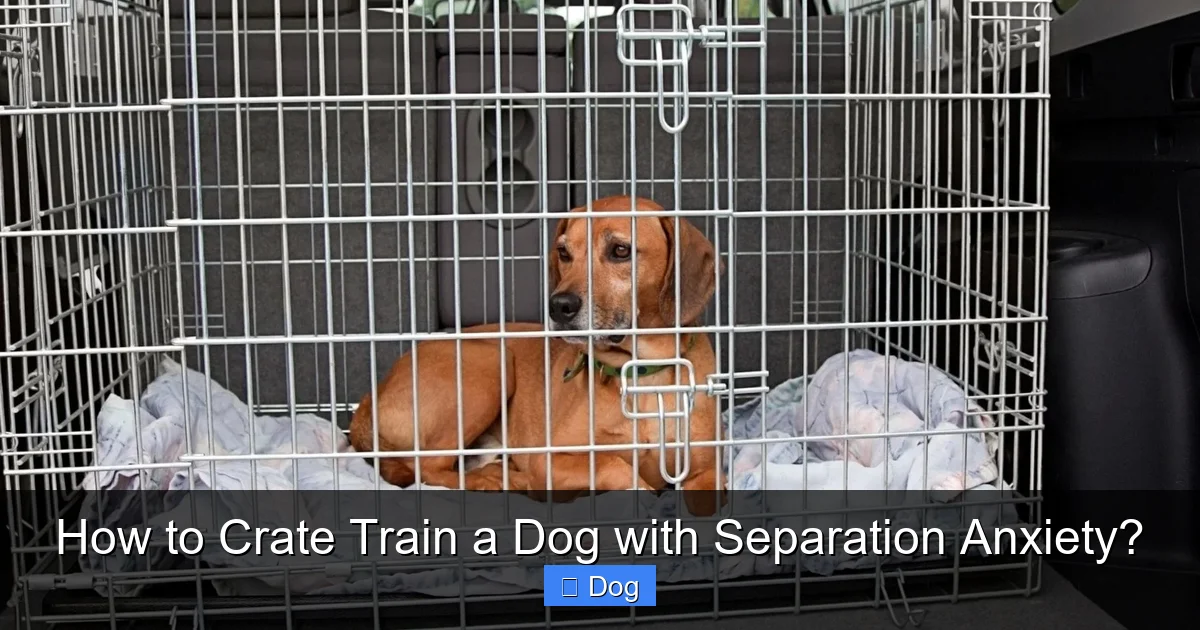
Crate training a dog with separation anxiety requires immense patience, positive reinforcement, and a gradual approach. The goal is to transform the crate from a source of fear into a comforting den, associating it with good things and slowly increasing crate time to help your dog feel secure, even when you’re away.
Welcome, fellow dog parent! If you’re here, chances are you’ve got a furry friend who struggles when you’re not around. That heart-wrenching whining, the frantic pacing, maybe even destructive behavior – these are all classic signs of separation anxiety. It’s a tough situation for both you and your beloved dog, and the idea of “crate training” might seem counterintuitive, or even cruel, especially if your dog already panics at the thought of being alone.
You might be thinking, “How on earth can I crate train a dog with separation anxiety when they already hate being confined?” It’s a valid concern. The truth is, when done correctly and with immense patience, a crate can actually become a safe, comforting den for an anxious dog. It provides a secure space, a predictable environment, and can help manage their anxiety, rather than exacerbate it. But let’s be clear: this isn’t about locking them away; it’s about teaching them to love their personal sanctuary.
This journey won’t be a sprint; it’s a marathon. You’ll need empathy, consistency, and a whole lot of positive reinforcement. Our goal isn’t just to get your dog to tolerate the crate, but to embrace it as their go-to spot for relaxation and security. Ready to transform that dreaded box into a happy hideaway? Let’s dive into how to crate train a dog with separation anxiety, step by gentle step.
Key Takeaways
- Consult Your Vet First: Always rule out underlying medical conditions or severe anxiety requiring professional intervention before starting crate training for separation anxiety.
- Positive Association is Paramount: Never use the crate as punishment. Fill it with comfort, treats, and toys, making it your dog’s favorite place to relax.
- Go Slow, Slower, Slowest: Introduce the crate very gradually, starting with the door open and progressing to brief closures only when your dog is calm and happy inside. Rushing causes setbacks.
- Address the Anxiety, Not Just the Crate: Crate training is a tool, not a cure for separation anxiety. Combine it with desensitization, counter-conditioning, and potentially professional help to tackle the core anxiety.
- Low-Key Departures and Arrivals: Avoid dramatic goodbyes or excited greetings to minimize the emotional spike associated with your absence and return.
- Crate as a Safe Den: The ultimate goal is for your dog to view the crate as their personal, secure space where they can feel safe and relaxed, not as a prison.
- Consistency and Patience are Key: This process takes time, often weeks or months. Be consistent with your training, stay positive, and celebrate small victories.
Quick Answers to Common Questions
Can I leave my dog with separation anxiety in a crate all day?
No, a dog with separation anxiety should not be left in a crate all day, especially not initially. The goal is gradual acclimatization, and forcing long durations can worsen anxiety. For longer absences, a dog walker or sitter might be a better option until training is advanced.
What if my dog continuously barks or whines in the crate?
If the barking or whining is continuous and intense, it’s likely true panic. You’ve likely moved too quickly. Revert to an earlier step in the training, reduce the duration, or increase your presence. Never punish them for being anxious.
How long should crate training take for an anxious dog?
There’s no set timeline. It can take weeks or even months to successfully crate train a dog with separation anxiety. Patience and consistency are paramount, and progress will depend on your dog’s individual anxiety level and temperament.
Should I put water in the crate?
Yes, especially for longer durations, a spill-proof water bowl or a crate water bottle is recommended to ensure your dog stays hydrated. Always ensure it’s securely attached to prevent spills.
Is it okay to use a crate if my dog has a history of escaping?
If your dog has a history of frantic escape attempts, chewing through crates, or injuring themselves, a crate might not be safe without professional guidance. Consult a veterinary behaviorist immediately to assess the severity and devise a safe plan, which may or may not involve a crate.
📑 Table of Contents
Understanding Separation Anxiety and Why Crate Training Can Help (Carefully)
Before we even think about introducing the crate, it’s crucial to understand what separation anxiety (SA) really is. It’s not just your dog being naughty or spiteful; it’s a genuine panic disorder. Dogs with SA experience extreme distress when left alone, leading to symptoms like excessive barking, destructive chewing, inappropriate urination/defecation, pacing, or even self-harm.
Why Crate Training for Dogs with Separation Anxiety?
The idea of putting an anxious dog in a crate might seem counterintuitive, and if done wrong, it absolutely can be. However, a properly introduced crate can offer several benefits:
- Security: A crate can mimic a natural den, providing a feeling of security and enclosure that can be calming for some dogs.
- Safety: It prevents your dog from destroying your home or harming themselves (e.g., chewing electrical wires) when you’re not there to supervise.
- Predictability: It creates a consistent, predictable space for your dog, which can reduce overall anxiety in an unpredictable world.
- Foundation for Independence: When associated with positive experiences, the crate can help teach your dog that being alone in a safe space isn’t something to fear.
The Crucial First Step: Consult Your Veterinarian
Before attempting to crate train a dog with separation anxiety, you absolutely must consult your veterinarian. They can rule out any underlying medical conditions that might be contributing to your dog’s behavior. Sometimes, a urinary tract infection or dental pain might manifest as anxiety. Your vet can also assess the severity of the separation anxiety and recommend if professional behavioral help (a veterinary behaviorist or certified professional dog trainer) is needed. In some severe cases, medication might be considered as a temporary aid to reduce anxiety enough for training to be effective.
Choosing the Right Crate
The right crate is essential. It should be:
- The Right Size: Large enough for your dog to comfortably stand up, turn around, and lie down in a natural position. Too big, and they might use one end as a bathroom; too small, and it’s uncomfortable.
- Type of Crate: Wire crates offer good ventilation and visibility. Plastic (airline-style) crates can feel more den-like and offer more privacy, which some anxious dogs prefer. Soft-sided crates are generally not recommended for anxious dogs who might chew their way out.
- Safe: No sharp edges, no places your dog could get stuck.
Creating a Positive Crate Environment
Visual guide about How to Crate Train a Dog with Separation Anxiety?
Image source: pawscessories.com
Once you have the right crate and your vet’s okay, the next step is to make this new space incredibly inviting. This isn’t just a box; it’s going to be your dog’s personal sanctuary.
Making the Crate Irresistible
Think of a cozy bedroom. That’s what we’re aiming for.
- Comfortable Bedding: Place a soft blanket, an old towel, or a comfortable dog bed inside. Something that smells like you can also be comforting.
- Favorite Toys: Include a few safe, non-choke-hazard toys, especially puzzle toys or KONGs stuffed with high-value treats (like peanut butter, plain yogurt, or cream cheese) that will keep them occupied. These distractions are gold when you’re trying to crate train a dog with separation anxiety.
- Water: A crate water bottle or a spill-proof bowl is a good idea for longer durations.
- Covering the Crate: Some dogs feel more secure if the crate is covered with a blanket or towel, creating a true den. Just ensure good ventilation.
Strategic Crate Placement
Where you put the crate matters, especially for a dog with separation anxiety.
- Initially, Near You: Start by placing the crate in a common area where you spend a lot of time, like the living room or your bedroom at night. This helps your dog feel connected and secure.
- Quiet Spot: Choose a spot that isn’t in a high-traffic area, but still allows your dog to see and hear you.
- Consider Moving Later: Once your dog is comfortable, you can gradually move the crate to the location where you’ll eventually want it to be when you leave the house.
The Gradual Introduction: Step-by-Step Training for Dogs with SA
This is where patience becomes your superpower. You cannot rush this process when you crate train a dog with separation anxiety. Each step must be mastered before moving on.
Step 1: Positive Association – The “Happy Place”
The first goal is for your dog to see the crate as a source of good things.
- Meals in the Crate: Start feeding your dog all their meals inside the crate, with the door open. Place the bowl near the entrance, then gradually move it further in.
- Treat Tosses: Periodically toss high-value treats into the crate when your dog isn’t looking. Let them “discover” the treats, creating a pleasant surprise.
- Crate Games: Play simple games like “find the treat” by tossing treats into the crate. Use a happy, inviting voice.
- Relaxation Inside: Encourage your dog to voluntarily go into the crate by leaving favorite toys or chews inside. Let them come and go as they please.
Step 2: Brief Durations with the Door Open
Once your dog is happily entering the crate for meals and treats, and even taking naps inside with the door open, you can move to this step.
- Crate Time with You Around: While your dog is enjoying a chew toy or a stuffed KONG inside the crate, sit nearby. Don’t close the door yet. Just be present.
- Positive Reinforcement: Praise them gently and calmly when they are relaxed in the crate. “Good dog,” a soft scratch behind the ears, or a small treat.
Step 3: Closing the Door Briefly
This is often the first hurdle for dogs with separation anxiety.
- Short Closures: While your dog is distracted with a high-value treat inside the crate, gently close the door for a few seconds. Stay right there.
- Immediate Reopening: Open the door *before* your dog shows any signs of anxiety (whining, scratching). You want to prevent panic.
- Repeat and Extend: Practice this many times a day, gradually increasing the duration the door stays closed – from seconds to a minute, then two minutes, always opening it before anxiety sets in.
- Stay Nearby: For now, stay visible and nearby. Your presence is still key.
Step 4: Gradually Increasing Distance and Time
Once your dog is comfortable with the door closed for a few minutes while you’re nearby, you can start to introduce your absence.
- Step Away Briefly: Close the crate door, give your dog a special treat (like a KONG), and step out of sight for a few seconds. Return before they get anxious.
- Increase Absence: Slowly increase the time you’re out of sight – 10 seconds, 30 seconds, 1 minute, 5 minutes. The key is to vary the durations and always return *before* your dog panics.
- Don’t Make a Fuss: When you leave and return, be calm and nonchalant. Avoid dramatic goodbyes or excited greetings, as these can heighten anxiety.
- Quiet Departures: Practice “fake” departures – grab your keys, put on your shoes, but don’t actually leave. This helps desensitize your dog to departure cues.
Managing Anxiety During Crate Time and Beyond
Even with the best training, a dog with separation anxiety might still show signs of distress. It’s crucial to know how to respond and when to adjust your approach.
What to Do if Your Dog Whines or Barks
This is a tricky part when you crate train a dog with separation anxiety.
- Identify the Cause: Is it true panic/anxiety, or is it attention-seeking?
- True Panic: If your dog is in a full-blown panic (intense barking, destructive behavior, trying to escape), you’ve likely progressed too fast. Go back to an earlier step. Do not force them to endure severe anxiety.
- Attention-Seeking: If it’s mild whining or barking that sounds more like “let me out,” wait for a brief moment of quiet before opening the crate. This teaches them that calm behavior gets results, not frantic cries.
- Never Punish: The crate should never be associated with punishment or fear. Yelling at your dog for barking in the crate will only make their anxiety worse.
Distraction and Enrichment
High-value, long-lasting chews and puzzle toys are your best friends.
- Stuffed KONGs: A frozen KONG stuffed with peanut butter, plain yogurt, or wet food can keep a dog occupied for a long time.
- Chew Toys: Durable chew toys can help relieve stress and provide an appropriate outlet for chewing.
- Interactive Toys: Toys that dispense treats or require problem-solving can engage their minds.
Departure and Arrival Rituals
Keep them low-key to reduce the emotional roller coaster.
- Before Leaving: Give your dog their special crate toy, say a calm goodbye (or no goodbye at all), and leave. Don’t drag it out.
- Upon Returning: Wait a few minutes (if possible and your dog is calm) before letting them out. When you do, greet them calmly. Once out, ignore them for a few minutes while they settle, then you can offer affection. This helps decouple your arrival from their release.
Never Use the Crate as Punishment
This rule is non-negotiable, especially when you crate train a dog with separation anxiety. The crate must always be a safe, positive space. Using it for punishment will completely undermine all your efforts and likely worsen their anxiety.
Addressing Deeper Separation Anxiety
Crate training is a management tool and can be part of a larger plan, but it’s not a cure-all for severe separation anxiety. If your dog’s anxiety is severe, or if you’re struggling to make progress, it’s time to seek professional help.
When to Seek Professional Help
Look for:
- Veterinary Behaviorist: A veterinarian with specialized training in animal behavior. They can diagnose, prescribe medication if necessary, and create a comprehensive behavior modification plan.
- Certified Professional Dog Trainer (CPDT-KA or KPA CTP): Look for trainers who specialize in separation anxiety and use positive, force-free methods.
Behavior Modification Techniques
Professionals will guide you through:
- Desensitization: Gradually exposing your dog to the trigger (your departure) at such a low intensity that it doesn’t cause an anxious response, and then slowly increasing the intensity.
- Counter-Conditioning: Changing your dog’s emotional response to the trigger from negative to positive. This often involves pairing departures with highly valued rewards.
- Medication: In some cases, short-term or long-term anti-anxiety medication can help reduce your dog’s anxiety to a level where they are receptive to training. This is always managed by a vet behaviorist or veterinarian.
Beyond the Crate: Holistic Management Strategies
Crate training for separation anxiety is one piece of the puzzle. Consider other aspects:
- Adequate Exercise: A tired dog is often a calmer dog. Ensure your dog gets enough physical exercise and mental stimulation before you leave.
- Mental Enrichment: Puzzle toys, training sessions, and interactive games can help keep their minds active and reduce boredom.
- Calming Aids: Pheromone diffusers (Adaptil), calming supplements, or thunder shirts can sometimes provide mild relief for some dogs.
- Doggie Daycare/Sitter: If possible, consider daycare or a trusted sitter for longer absences while your dog is still learning to cope with being alone.
Conclusion
Crate training a dog with separation anxiety is a journey that demands incredible patience, consistency, and a deep understanding of your dog’s emotional state. It’s not about forcing them into a box, but about gently guiding them to view their crate as a safe, comforting haven – a place they *choose* to relax in.
Remember to go slow, celebrate every tiny victory, and always prioritize your dog’s emotional well-being over strict adherence to a timeline. If you hit a wall, don’t hesitate to reach out to a professional. With dedication and the right approach, you can transform your dog’s anxiety into security, giving both of you the peace of mind you deserve. Your dedication will help your beloved companion learn that being alone doesn’t have to be scary, and their crate can be their most cherished retreat.
🎥 Related Video: How to Quickly Crate Train a Dog with Separation Anxiety
📺 For Pet Lovers
Watch our Best Reviews of Hot Selling Products Videos: How To Help A Dog With Separation …
Frequently Asked Questions
What are the first signs I should look for to know if my dog has separation anxiety?
Common signs of separation anxiety include excessive barking or howling when left alone, destructive chewing (especially around exits), inappropriate urination or defecation indoors, pacing, or obsessive self-grooming. These behaviors typically occur only when you are absent.
Can a crate cure separation anxiety?
No, a crate itself cannot cure separation anxiety. It is a management tool that, when introduced correctly, can help provide a sense of security and prevent destructive behaviors. True separation anxiety often requires a comprehensive behavior modification plan, potentially involving professional trainers or veterinary behaviorists.
How often should I practice crate training sessions?
Short, frequent training sessions are more effective than long, infrequent ones. Aim for 3-5 sessions per day, each lasting only a few minutes, especially in the early stages. This keeps the experience positive and prevents your dog from becoming overwhelmed.
My dog loves their crate when I’m home, but still panics when I leave. What should I do?
This indicates your dog has a positive association with the crate but still struggles with your absence. Focus on desensitization to your departure cues (keys, coat, shoes) and gradually increasing the duration of your actual absences. Professional help might be beneficial here to refine the training.
Should I give my dog a special toy only for crate time?
Yes, giving your dog a high-value, long-lasting chew or puzzle toy (like a stuffed KONG) exclusively when they enter the crate can create a strong positive association. This special treat signals that crate time is enjoyable and rewarding.
What if my dog injures themselves trying to get out of the crate?
If your dog injures themselves or shows extreme distress (e.g., bloody paws, broken teeth, continuous frantic escape attempts), stop using the crate immediately. This indicates severe panic. You must consult a veterinary behaviorist for an urgent assessment and a tailored management plan to prevent further harm.