
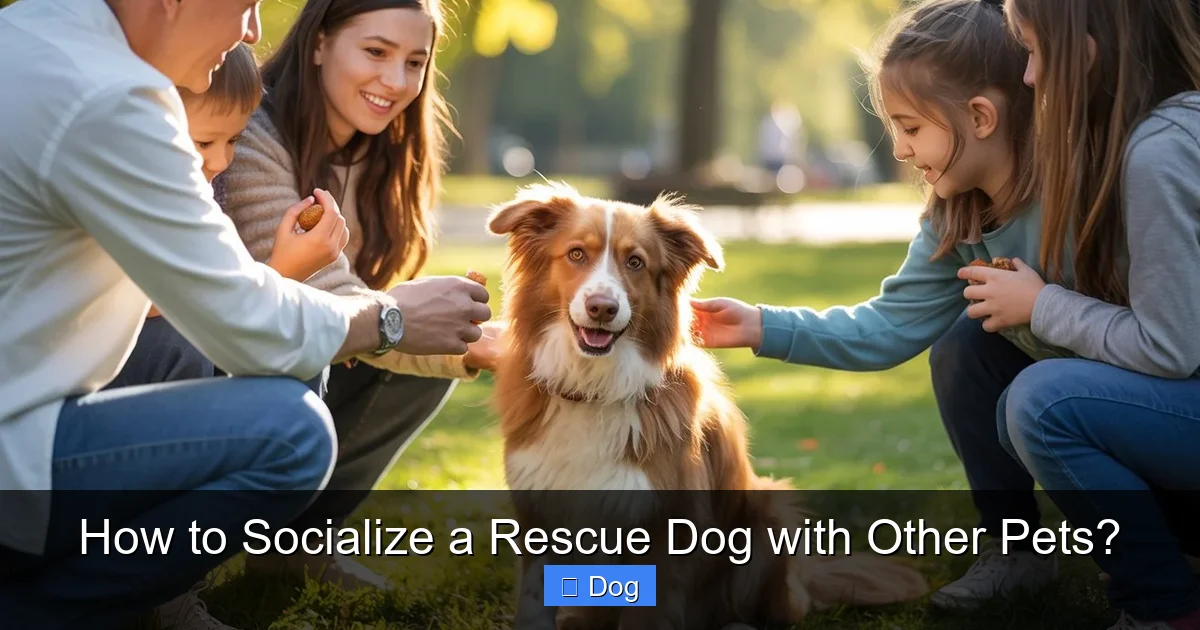
Successfully integrating a rescue dog into a home with existing pets requires a thoughtful, patient, and controlled approach. Begin by understanding your new dog’s history and temperament, creating a safe environment, and making initial introductions through barriers. Gradual, positive reinforcement-based interactions, constant supervision, and professional guidance when needed are crucial steps to help your rescue dog socialize comfortably and harmoniously with other pets.
How to Socialize a Rescue Dog with Other Pets?
Bringing a rescue dog into your home is an incredibly rewarding experience. You’re giving a deserving animal a second chance, a loving family, and a safe haven. However, if you already share your home with other furry friends – be it another dog, a cat, or even smaller animals – the arrival of a new family member requires careful planning and a good dose of patience. The big question often becomes: “How do I successfully socialize a rescue dog with other pets?”
It’s a common concern, and for good reason. Many rescue dogs come from unknown backgrounds. They might have experienced trauma, neglect, or lack of proper socialization in their past. This can make them wary, anxious, or even reactive around other animals. The good news is that with a thoughtful, structured approach, and a commitment to positive reinforcement, most rescue dogs can learn to coexist peacefully, and often even bond, with their new housemates. It’s a journey, not a sprint, but one well worth taking for the harmony of your household.
This guide will walk you through the essential steps, practical tips, and common pitfalls to avoid as you embark on the rewarding path of helping your rescue dog socialize with other pets. We’ll cover everything from initial preparations to advanced integration, ensuring a smooth and successful transition for everyone involved.
Key Takeaways
- Assess Your Rescue Dog: Take time to understand your new dog’s history, temperament, and potential triggers before attempting introductions.
- Prepare the Environment: Ensure all pets have safe, separate spaces, and gradually introduce scents before visual contact.
- Start with Controlled Introductions: Use barriers (gates, crates) for initial visual meetings, keeping encounters short, positive, and supervised.
- Prioritize Positive Reinforcement: Reward calm, appropriate behavior from all pets with treats, praise, and gentle encouragement during every interaction.
- Practice Gradual Integration: Move from barrier introductions to leashed, supervised interactions, then to managed off-leash time, always increasing duration and freedom slowly.
- Patience and Consistency are Crucial: Socializing a rescue dog with other pets is a process that takes time, consistency, and understanding; avoid rushing.
- Don’t Hesitate to Seek Professional Help: If you encounter significant challenges or signs of aggression, consult a certified professional dog trainer or behaviorist.
Quick Answers to Common Questions
How long does it typically take to socialize a rescue dog with other pets?
There’s no fixed timeline. It can take anywhere from a few weeks to several months, or even longer, depending on the rescue dog’s past experiences, temperament, and the existing pets’ personalities. Patience is absolutely key.
What if my rescue dog shows aggression towards my other pet?
Immediately and calmly separate the animals. Do not punish the dog, as this can worsen behavior. Revert to earlier, more controlled introduction steps, and if aggression persists, seek guidance from a certified professional dog trainer or veterinary behaviorist.
Can I introduce a rescue dog to a cat?
Yes, but it requires extreme caution and a very gradual approach. Always supervise interactions, ensure the cat has ample escape routes (high places), and keep the dog on a leash or behind a barrier during initial meetings to prevent any chase behavior or harm.
Should I remove all toys and bones when introducing a rescue dog to another dog?
Yes, it’s highly recommended, especially during the initial stages. Resource guarding of high-value items like toys, food bowls, and bones is common and can lead to conflict. Reintroduce them only when you are certain there are no guarding tendencies and always supervise.
Is it ever okay to leave them unsupervised during the socialization process?
No, not until you are 100% confident in their peaceful coexistence over an extended period. Even then, many experts recommend crating or separating pets when you are away from home, particularly with new integrations, to prevent any unforeseen issues.
📑 Table of Contents
- Understanding Your Rescue Dog’s Background and Temperament
- Preparing Your Home and Existing Pets for the New Arrival
- The Art of Controlled Introductions
- Gradual Integration and Building Positive Associations
- Addressing Challenges and When to Seek Expert Help
- The Lifelong Journey of Socialization and Harmony
- Conclusion
Understanding Your Rescue Dog’s Background and Temperament
Before you even think about introductions, take the time to truly get to know your new rescue dog. Their past experiences are a huge predictor of how they might react to other animals.
Temperament and Past Experiences
Consider what you know about your rescue dog’s history. Was it a stray? Did it come from a hoarding situation? Was it a surrender due to issues with other pets? While shelters and rescues do their best to provide information, sometimes the past is a mystery. Regardless, observe your dog’s current behavior. Are they fearful? Overly excited? Anxious? Do they show any signs of reactivity towards other dogs or animals when you’re out on walks? Understanding their baseline personality is crucial. Some rescue dogs might have lived with other animals happily, while others might never have had that experience. It’s important to be a detective and gather as much information as possible to help you socialize a rescue dog with other pets effectively.
Initial Assessment and Vet Check
When your rescue dog first arrives, focus on settling them in individually. Give them their own space, a routine, and time to decompress. During this period, a visit to the vet is paramount. Ensure your new dog is healthy, free of parasites, and up-to-date on vaccinations. A healthy dog is better equipped to handle stress and new introductions. Discuss any behavioral concerns with your vet, who might offer insights or recommend a professional behaviorist if needed. This initial assessment period, usually a few days to a week, helps your new dog feel secure in their new home before adding the complexity of other pets.
Preparing Your Home and Existing Pets for the New Arrival

Visual guide about How to Socialize a Rescue Dog with Other Pets?
Image source: meowant.com
Preparation is key to a smooth introduction. You wouldn’t throw two strangers into a room and expect them to be best friends; the same applies to your pets.
Creating Safe Havens and Separate Spaces
Even if your ultimate goal is for everyone to cuddle on the couch, start with separation. Designate a specific “safe zone” for your new rescue dog – a spare room, a crated area, or a section of the house blocked off by baby gates. This space should have their bed, food, water, and toys. This gives them a sense of security and a place to retreat. Do the same for your existing pets. Ensure your resident cat has high perches or a cat tree to escape to, and your resident dog has their own quiet spot. The ability to physically separate all animals is non-negotiable for successful integration and to help socialize a rescue dog with other pets.
Pre-Introduction Scent Swaps
Before any visual contact, let your pets get to know each other through scent. Scent is incredibly important in the animal world.
- Swap bedding: Take a blanket or bed from your new dog’s safe zone and place it in your existing pet’s area, and vice-versa. Observe their reactions. Are they curious, indifferent, or showing signs of stress (hissing, growling, excessive sniffing, avoiding)?
- Scent on hands: Gently pet one animal, then without washing your hands, pet the other. This helps them associate each other’s scent with your calm presence.
- “Walking the dog” with scent: Take your rescue dog for a walk, and then walk your existing dog on the same route shortly after. This allows them to “read” each other’s scent markers in a neutral territory.
This step helps to normalize the presence of the other animal before they even see each other.
Preparing Your Existing Pets
Don’t forget about your current pets! They might feel displaced or anxious about a new dog. Maintain their routine as much as possible. Give them extra attention, treats, and play sessions. If your existing dog is leash-trained, review basic commands like “sit,” “stay,” and “leave it.” These will be invaluable during introductions. If your existing pet has any behavioral issues, address those before introducing a new dog. A well-adjusted resident pet will be a better role model and more tolerant.
The Art of Controlled Introductions
Once everyone has settled into their separate spaces and is familiar with each other’s scent, it’s time for visual introductions. Always prioritize safety and positive experiences.
The Barrier Method (Gates, Crates)
This is often the safest first step. With a sturdy baby gate (or two stacked for taller dogs) or through the bars of a crate, allow your pets to see each other without direct physical contact.
- Location: Choose a neutral, low-traffic area where everyone can feel comfortable.
- Supervision: Always have 100% supervision. Ideally, have two people present, one for each dog, or one person for the dog and one for the cat.
- Positive Reinforcement: Shower both animals with praise and high-value treats (think cheese, cooked chicken) when they are calm and simply acknowledge each other’s presence. If they ignore each other, even better!
- Keep it Short: These initial sessions should be very brief, just a few minutes. End on a positive note before anyone gets anxious or overstimulated. Repeat these sessions multiple times a day.
This method helps to socialize a rescue dog with other pets by allowing them to see and hear each other safely, building positive associations from a distance.
Leashed and Supervised Meetings
Once barrier introductions are consistently calm, you can move to leashed introductions in a neutral territory, like a fenced backyard or a quiet park.
- Two Handlers: Each dog should be on a leash with a handler. Keep leashes loose to avoid tension.
- Parallel Walk: Start by walking the dogs parallel to each other at a distance where they are aware but not stressed. Gradually decrease the distance over several sessions, aiming for parallel walking side-by-side.
- Brief Sniffs (Optional): If all goes well, allow very brief, supervised nose-to-tail sniffs. Never allow face-to-face sniffing initially, as this can be confrontational. Keep it super short and pull them away before any tension arises, praising calm behavior.
- End on a Positive: Just like with barrier introductions, keep these short and always end before anyone shows signs of stress or reactivity.
These controlled outdoor interactions are a crucial step in teaching your rescue dog to socialize with other pets in a less confined setting.
Short, Positive Encounters
For cats and small animals, the process is similar but requires even more caution.
- Cat Introductions: Keep the dog on a leash, or behind a barrier, and allow the cat to approach or retreat as they wish. Never force an interaction. Reward both for calm behavior. Provide high places for the cat to escape.
- Small Animal Introductions: This is generally not recommended for direct contact due to prey drive. Keep small animals securely crated or caged in a separate room. Your goal here is coexistence, not friendship. Desensitize your dog to the presence of the small animal’s scent and sounds, rewarding calm behavior.
Remember, your goal is not necessarily for everyone to be best friends, but to learn to coexist peacefully and safely.
Gradual Integration and Building Positive Associations
As your pets show consistent calm behavior during supervised meetings, you can gradually increase their interaction time and freedom.
Parallel Walking
Continue with parallel walks both inside and outside the home. This activity helps dogs learn to exist in the same space without direct interaction, building comfort and reducing the novelty of the other’s presence. Reward calm walking and ignoring each other.
Supervised Playtime
If your dogs seem interested in playing, start very short, supervised play sessions in a secure, neutral area.
- Observe Body Language: Look for loose, bouncy movements, play bows, and “take turns” in chasing. Avoid stiff body language, prolonged stares, growling, or attempts to mount.
- Keep it Brief: End play before anyone gets over-tired or over-stimulated. Always end on a positive note.
- Intervene Early: If play becomes too rough or one dog seems stressed, calmly separate them.
This step is vital for your rescue dog to socialize with other pets through appropriate and positive play.
Mealtimes and Resource Guarding
Food can be a significant trigger for resource guarding, especially for rescue dogs who might have experienced scarcity.
- Feed Separately: Always feed pets in separate rooms or crates to prevent conflict.
- Supervised Treats: If giving treats, do so at a distance, ensuring each pet gets their own. Never allow one dog to “steal” from another.
- Water Bowls: Have multiple water bowls available in different locations to avoid competition.
Manage high-value items like toys, bones, and chews carefully. It’s often best to remove them when pets are together until you are absolutely certain there are no resource guarding tendencies.
Managing Attention and Affection
When you have multiple pets, it’s easy to inadvertently create jealousy or competition for your attention.
- Fairness, Not Equal: You don’t have to give every pet the exact same amount of attention at the exact same time. The key is to be fair and ensure everyone feels loved and secure.
- Individual Time: Continue to spend one-on-one time with each pet. This reinforces their bond with you and reduces the feeling of being replaced.
- Shared Affection: When they are together, reward calm proximity. For example, if both dogs are lying calmly in the same room, offer gentle praise and pets to both.
Helping your rescue dog socialize with other pets also means teaching *all* pets how to share your affection gracefully.
Addressing Challenges and When to Seek Expert Help
Even with the best intentions, you might encounter bumps in the road. It’s important to recognize when things aren’t going well and when to seek professional assistance.
Signs of Stress or Aggression
Learn to read canine body language. Signs of stress include lip licking, yawning (when not tired), averted gaze, stiff posture, whale eye (seeing the whites of their eyes), tucked tail, flattened ears, trembling, growling, snarling, snapping, or lunging. For cats, signs of stress include hissing, swatting, flattened ears, puffed tail, or hiding excessively. If you observe any of these, immediately and calmly separate the animals. Do not punish them, as this can worsen the anxiety. Simply create distance.
Common Pitfalls to Avoid
- Rushing the Process: This is the biggest mistake. Going too fast can undo weeks of progress and create negative associations.
- Forcing Interaction: Never physically push animals together or trap them in a corner. Allow them to choose to interact or retreat.
- Punishment: Punishing growls or hisses can suppress warning signs, leading to sudden, unprovoked aggression later. Instead, use positive reinforcement for calm behavior and manage the environment to prevent conflict.
- Unsupervised Time Too Soon: Never leave pets unsupervised until you are 100% confident in their peaceful coexistence, and even then, consider initial limits.
Avoiding these common mistakes is crucial for your success in helping your rescue dog socialize with other pets.
Professional Guidance (Trainers, Behaviorists)
If you consistently observe signs of aggression, extreme fear, or if you feel overwhelmed, it’s time to call in the experts. A certified professional dog trainer or a veterinary behaviorist can assess your specific situation, provide tailored advice, and guide you through the process. They can offer strategies like desensitization, counter-conditioning, and management techniques that might be difficult to implement on your own. Investing in professional help can save your pets from stress and prevent serious incidents.
The Lifelong Journey of Socialization and Harmony
Successful integration isn’t a one-time event; it’s an ongoing process that requires continuous effort and observation.
Consistency and Routine
Maintain consistent routines for feeding, walks, and playtime. Predictability reduces anxiety for all pets. Continue to manage resources, provide separate safe spaces, and supervise interactions, especially during times of high excitement.
Continued Positive Reinforcement
Always reward positive interactions and calm behavior. A simple “good dog” and a treat when your pets are peacefully coexisting goes a long way. Reinforce individual training with each pet to keep them responsive and engaged.
Celebrating Small Wins
It might take weeks or even months to achieve harmony. Celebrate every small victory – a shared nap, a relaxed sniff, or simply ignoring each other in the same room. These small steps build the foundation for a harmonious multi-pet household. The goal is a peaceful, safe, and happy home where your rescue dog and other pets can thrive together.
Conclusion
Successfully helping your rescue dog socialize with other pets is a journey that demands patience, understanding, and a structured approach. By taking the time to understand your new dog, preparing your home, executing controlled introductions, and consistently using positive reinforcement, you lay the groundwork for a harmonious multi-pet family. Remember that every animal is an individual, and the process may look different for each household. Be flexible, stay observant, and don’t hesitate to seek professional help if challenges arise. With dedication, you can create a happy, safe, and loving environment where all your cherished companions can live together in peace.
🎥 Related Video: Learn how to socialize quickly but safely
📺 Beckman’s Dog Training
Watch a private session of an extremely unsocialized 9m old poodle.
Frequently Asked Questions
How do I know if my rescue dog is ready for a direct introduction to other pets?
Your rescue dog is ready for more direct interactions when they consistently display calm, curious, or indifferent behavior during barrier introductions and parallel walks. They should show no signs of stress, fear, or reactivity, and ideally respond well to basic commands from you.
What if my existing pet is fearful or aggressive towards the new rescue dog?
Socialization is a two-way street. If your existing pet shows fear or aggression, you need to manage their reactions as well. Ensure they have their own safe spaces, use positive reinforcement for calm behavior, and slow down the introduction process significantly. Professional guidance might be needed for your existing pet too.
Can a rescue dog with a high prey drive ever live with small animals like hamsters or birds?
While peaceful coexistence is challenging with a high prey drive, it’s possible through strict management. This typically means the small animal is always securely caged in a separate, inaccessible room, and the dog is never allowed unsupervised access. Direct interaction is generally not advised.
Should I allow my rescue dog and other pets to eat from the same food bowl?
No, it’s strongly recommended to feed all pets separately, in different rooms or crates, especially during the initial socialization phase. This prevents potential resource guarding, competition, and stress, which can lead to conflicts and negative associations with mealtimes.
What if the new rescue dog is much larger or smaller than my existing pets?
Size differences require extra caution. A larger dog could unintentionally injure a smaller one, while a smaller dog might feel intimidated. Always supervise closely, ensure the smaller pet has easy escape routes, and use barriers or leashes to control interactions, especially during play.
How can I ensure my existing pets don’t feel neglected after the new rescue dog arrives?
Maintain your existing pets’ routines and shower them with extra attention during this transitional period. Continue their usual playtimes, walks, and individual cuddle sessions. This helps them associate the new dog’s arrival with positive changes, rather than a loss of your affection.