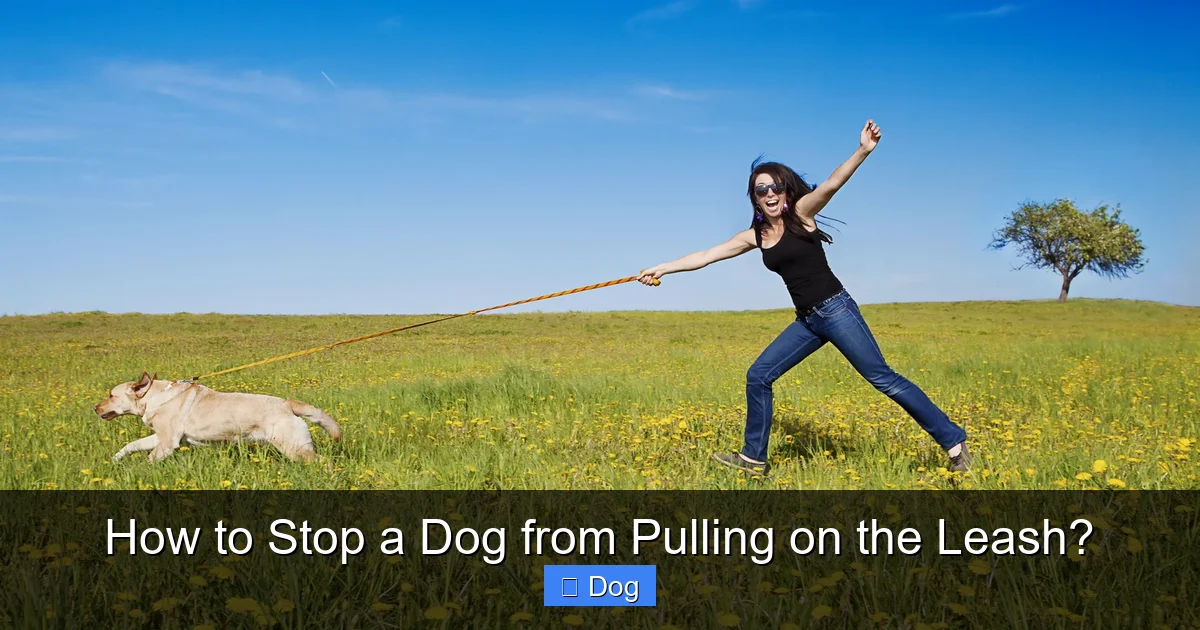
Stopping a dog from pulling on the leash requires patience, consistency, and the right techniques. By understanding why dogs pull, choosing appropriate equipment like a front-clip harness, and implementing positive reinforcement training methods such as the “be a tree” technique, you can teach your dog to walk calmly by your side. Remember, every dog is unique, so finding what works best for your canine companion is key to enjoying stress-free strolls together.
Walking your dog should be one of the most enjoyable parts of your day. It’s a time for exercise, fresh air, and bonding with your beloved companion. However, for many dog owners, what should be a pleasant stroll often turns into a frustrating tug-of-war. If you find yourself constantly being dragged down the street, feeling your arm stretch, and dreading the next walk, you’re not alone. The struggle of “how to stop a dog from pulling on the leash” is a common one, but it’s a challenge that can absolutely be overcome with the right approach.
A dog that pulls on the leash isn’t just annoying; it can be dangerous. It can lead to injuries for both you and your dog, make walks feel like a chore, and even limit how often you go out. But here’s the good news: your dog isn’t trying to be difficult. They’re simply exhibiting a natural behavior that hasn’t been redirected. With a clear understanding of why dogs pull, the right tools, and consistent training, you can transform your walks from a wrestling match into a harmonious experience. Let’s explore how to stop a dog from pulling on the leash, step by step, and reclaim the joy of walking your dog.
Key Takeaways
- Understand the Motivation: Dogs pull on the leash because it often gets them where they want to go faster. To stop a dog from pulling on the leash, you must teach them that pulling is counterproductive.
- Choose the Right Equipment: A front-clip harness or a head halter can be incredibly effective tools to manage pulling while you’re training, giving you more control and comfort.
- Implement Positive Reinforcement: Reward your dog generously and consistently for walking with a loose leash. Use treats, praise, and stopping to sniff as positive reinforcements for desired behavior.
- Practice Consistent Training Techniques: Methods like “Be a Tree,” “Red Light, Green Light,” and making frequent directional changes teach your dog that a loose leash is the only way to move forward.
- Manage the Environment: Start training in low-distraction environments and gradually introduce more challenging settings as your dog improves, setting them up for success.
- Patience and Consistency are Paramount: Training takes time. Be patient with your dog and yourself, and ensure everyone who walks the dog uses the same techniques consistently to reinforce good habits.
Quick Answers to Common Questions
How long does it take to stop a dog from pulling?
The time it takes varies greatly depending on the dog’s age, previous training, consistency of practice, and the owner’s commitment. Some dogs show improvement in a few days, while others might take several weeks or months of consistent training.
What is the best harness to stop a dog from pulling?
A front-clip harness, such as the Easy Walk Harness or the Freedom No-Pull Harness, is generally considered the most effective tool to manage and reduce pulling during training, as it redirects the dog’s momentum sideways.
Can I use treats to stop my dog from pulling?
Yes, treats are a highly effective form of positive reinforcement. Reward your dog with high-value treats frequently whenever they walk with a loose leash, teaching them that staying by your side is rewarding.
Why does my dog pull so much even with a harness?
Even with a harness, a dog might still pull if they haven’t been taught *how* to walk politely. The harness is a tool to manage pulling, but consistent training techniques like “Be a Tree” or “Red Light, Green Light” are essential to teach the desired behavior.
Should I let my dog sniff on walks if they pull?
Yes, sniff breaks are excellent rewards for good behavior. Allow your dog to sniff only when the leash is loose and they are not pulling. This teaches them that calm walking earns them the privilege of exploring interesting scents.
📑 Table of Contents
Understanding Why Your Dog Pulls
Before we dive into training techniques, it’s crucial to understand the root causes of pulling. Dogs don’t wake up thinking, “How can I make my human’s life miserable today by pulling them?” Their reasons are far more instinctual and often a result of their natural exuberance and our unintentional reinforcement.
It Works for Them
The simplest reason dogs pull is because it works. Every time your dog pulls, and you continue to move forward, even grudgingly, you’re essentially rewarding the pulling behavior. They learn that if they want to get to that interesting smell, that squirrel, or just simply move faster, pulling on the leash is the most effective strategy.
Excitement and Energy
Many dogs are simply overflowing with energy and excitement, especially at the beginning of a walk. The world outside is a symphony of smells, sights, and sounds, and they want to explore it all, often at a pace much faster than ours. This high level of arousal can make it difficult for them to focus on you and maintain a loose leash.
Lack of Early Training
Puppies aren’t born knowing how to walk politely on a leash. Loose leash walking is a learned behavior. If a dog hasn’t been properly taught how to walk on a leash from a young age, or if early training was inconsistent, they will default to their natural instinct to pull.
Choosing the Right Equipment
While equipment alone won’t solve the pulling problem, the right tools can make a significant difference in your training efforts and your ability to manage your dog in the meantime. The goal is to provide you with more control and make pulling less rewarding for your dog.
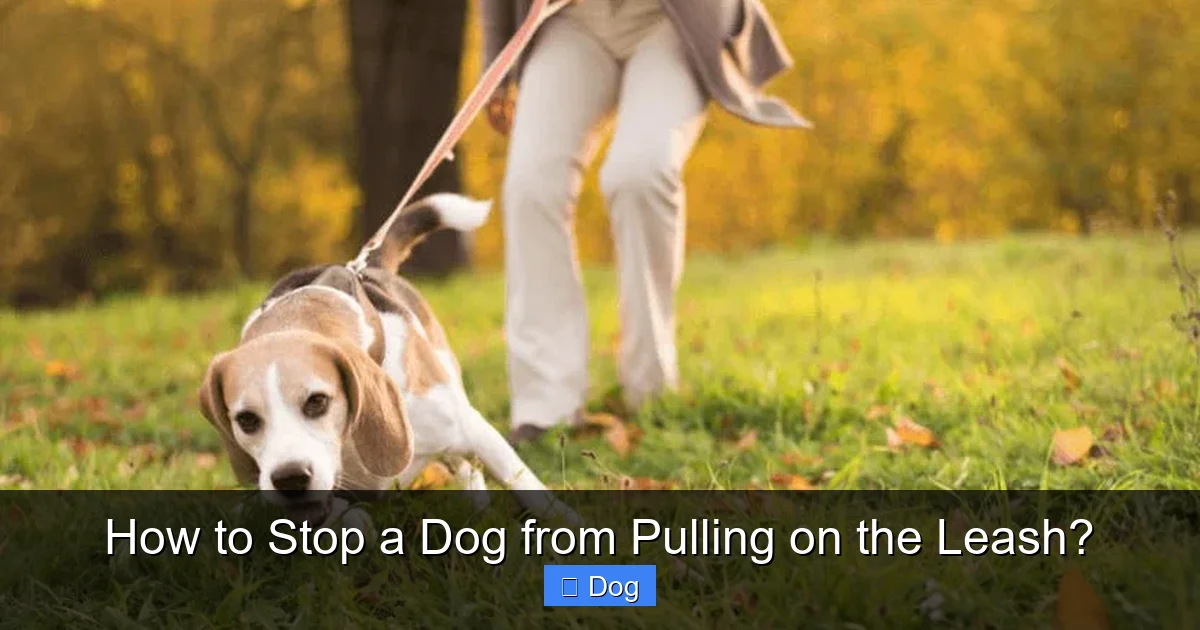
Visual guide about How to Stop a Dog from Pulling on the Leash?
Image source: images.wagwalkingweb.com
Front-Clip Harnesses
A front-clip harness is often the most recommended tool for dogs that pull. Unlike traditional harnesses that clip on the back, or collars that put pressure on the throat, a front-clip harness has the leash attachment ring on the dog’s chest. When your dog pulls, the leash redirects their momentum to the side, gently turning them back towards you. This makes it physically uncomfortable and less effective for them to pull forward. Brands like Easy Walk or Freedom No-Pull Harness are popular choices.
- Pros: Reduces pulling significantly, comfortable for the dog, minimal risk of injury to the neck.
- Cons: Can sometimes cause the leash to get tangled in the dog’s front legs, requires proper fitting.
Head Halters (Halti, Gentle Leader)
Head halters work much like a halter for a horse, giving you control over your dog’s head. Where the head goes, the body follows. When your dog tries to pull, the halter gently guides their head downwards or to the side, preventing them from forging ahead. This is a very effective tool for strong pullers or dogs that are highly reactive.
- Pros: Excellent control, minimal physical effort required, can be very effective for strong dogs.
- Cons: Some dogs initially resist wearing them, can be mistaken for a muzzle (though it’s not), requires careful introduction and positive association.
Standard Flat Collar and Leash
While a standard collar and leash are perfectly fine for dogs that already walk politely, they offer very little leverage or redirection for a dog that pulls. Avoid using choke chains or prong collars, as these can cause pain, injury, and can damage your dog’s trust in you. The goal is to teach, not to punish.
Basic Training Techniques for Loose Leash Walking
Now that you understand the “why” and have the right equipment, let’s dive into the “how to stop a dog from pulling on the leash” with practical training methods. Consistency is paramount here; every walk is a training opportunity.
The “Be a Tree” Technique
This is one of the most fundamental and effective methods for stopping pulling. The moment your dog puts tension on the leash, you immediately stop walking and “be a tree.” Stand still, don’t move, don’t say anything, and don’t pull back on the leash. Wait patiently for the leash to slacken. As soon as the leash is loose, even for a second, immediately start walking again. If they pull again, stop again. Your dog quickly learns that pulling stops forward progress, while a loose leash allows them to move. This method removes the reward (forward movement) for pulling.
- Tip: Be prepared to stop frequently, especially in the beginning. This might mean your walk takes a lot longer, but it’s crucial for establishing the rule.
Red Light, Green Light (Changing Directions)
Similar to “Be a Tree,” this technique focuses on making forward momentum dependent on a loose leash. Start walking, and as soon as your dog starts to pull, stop and change direction. Walk a few steps in the opposite direction. Your dog will have to reorient themselves to catch up to you, which will likely create slack in the leash. When they are walking nicely by your side, reward them. The unpredictability keeps them focused on you rather than what’s ahead.
- Tip: Combine this with verbal praise like “Good job!” or “Yes!” when they return to your side with a loose leash.
Reward Loose Leash Walking
Positive reinforcement is incredibly powerful. Don’t just punish pulling; generously reward the absence of pulling. Carry high-value treats (small, soft, and irresistible). Every few steps that your dog walks with a loose leash, mark the behavior with a verbal cue like “Yes!” or a clicker, and give them a treat. The goal is for them to associate walking nicely by your side with good things happening.
- Tip: Start by rewarding very frequently (every 2-3 steps) and gradually fade the frequency as your dog improves. You can also vary the reward – sometimes a treat, sometimes praise, sometimes stopping to let them sniff something interesting.
Leash Pressure and Release
This technique uses gentle, consistent pressure to guide your dog. If your dog starts to pull to the side, apply gentle pressure on the leash in the opposite direction. The moment they yield to the pressure and move away from the pull, immediately release the pressure. The release of pressure is the reward. This teaches them to respond to gentle guidance rather than fighting against constant tension.
- Tip: This is a subtle technique. Avoid yanking or jerking the leash. It’s about a gentle reminder, not a correction.
Advanced Training and Common Challenges
Once your dog understands the basics in a low-distraction environment, it’s time to build on that foundation and address common hurdles.
Introducing Distractions Gradually
Starting your loose leash training in a quiet backyard or a deserted street is ideal. Once your dog is consistently walking well there, gradually introduce more distractions. Go to a slightly busier park, walk past other dogs at a distance, or near people. Each new distraction is a new training opportunity. If your dog struggles, go back to a less distracting environment until they are more solid.
The “Check-In” Game
Encourage your dog to frequently check in with you during the walk. Practice calling their name periodically and rewarding them with a treat and praise when they look at you. This builds a strong bond and keeps their focus on you, making them less likely to pull towards external stimuli. You can also offer treats randomly when they *voluntarily* look at you while walking nicely.
Consistency Across All Walkers
It’s vital that everyone who walks your dog uses the exact same rules and techniques. If one person allows pulling and another doesn’t, your dog will become confused and progress will be slow or non-existent. Hold a family meeting to ensure everyone is on the same page regarding how to stop a dog from pulling on the leash.
Dealing with Setbacks
Training isn’t a straight line; there will be days when your dog seems to forget everything. Don’t get discouraged! Revert to simpler environments or shorter training sessions. Remember that progress isn’t always linear. A setback isn’t a failure; it’s an opportunity to reinforce what they’ve learned.
Patience and Consistency Are Key
Successfully teaching your dog not to pull on the leash is a marathon, not a sprint. It takes time, patience, and unwavering consistency from you. There’s no magic wand; it’s about building new habits for your dog and for yourself.
Short, Frequent Training Sessions
Instead of long, frustrating walks where you’re constantly battling, opt for shorter, more frequent training sessions. Even 5-10 minutes of focused loose leash walking practice a few times a day can be more effective than one long, stressful walk. End each session on a positive note, even if it means finishing after just a few good steps.
Manage Expectations
Don’t expect your dog to walk perfectly on a loose leash overnight, especially if they’ve been pulling for years. Celebrate small victories: a few steps of loose leash walking, a moment of attention amidst distractions. These small wins build up to big changes.
Make Walks Engaging
A bored dog is often a pulling dog. Make your walks more interesting for your dog by incorporating sniff breaks, short bursts of fetch (if appropriate for the environment), or even some obedience commands. An engaged dog is a dog that is paying attention to you.
When to Seek Professional Help
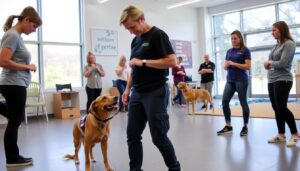
While many owners can successfully stop a dog from pulling on the leash with the right tools and techniques, there are times when professional help can be invaluable. Don’t hesitate to reach out if you’re struggling.
Lack of Progress
If you’ve been consistently applying these techniques for several weeks or months and aren’t seeing any significant improvement, a professional dog trainer can assess your specific situation. They can identify any subtle cues you might be missing or suggest alternative approaches tailored to your dog’s personality and issues.
Reactivity or Aggression
If your dog’s pulling is coupled with reactivity (barking, lunging, growling at other dogs or people), it’s more than just a pulling issue. A certified professional dog trainer or a veterinary behaviorist can help address the underlying emotional issues causing the reactivity, making walks safer and more pleasant for everyone.
Extreme Pulling or Injury Risk
If your dog pulls so severely that it’s causing injury to you (e.g., falls, shoulder pain) or to themselves (e.g., choking, neck strain), professional intervention is crucial. A professional can help you gain control quickly and safely while you work on long-term solutions.
Stopping a dog from pulling on the leash is a journey, not a destination. It requires dedication, understanding, and a willingness to learn alongside your canine friend. By implementing these strategies, choosing the right equipment, and maintaining a positive attitude, you’ll not only improve your dog’s walking manners but also strengthen the bond you share. Imagine a future where walks are a source of peace and enjoyment for both of you – it’s entirely within reach. So, grab those treats, pick your harness, and get ready to enjoy those loose-leash strolls!
🎥 Related Video: How to STOP your DOG PULLING on LEASH…GUARANTEED! / / Dog Trainer's Secret Revealed
📺 American Standard Dog Training
In this video, we teach you how to stop your dog pulling on your leash, guaranteed in 15 minutes or less. TELL US IF THIS …
Frequently Asked Questions
Is it ever too late to stop a dog from pulling on the leash?
No, it’s rarely too late to teach an old dog new tricks, including loose leash walking. While an older dog might have ingrained habits, with consistent positive reinforcement and patience, you can absolutely make significant progress in training them not to pull.
What should I do if my dog pulls towards other dogs or people?
If your dog pulls towards distractions like other dogs or people, it’s often due to excitement or frustration. Work on desensitization by practicing at a distance where your dog can notice but not react intensely, rewarding calm behavior, and gradually decreasing the distance over time. A front-clip harness or head halter can help manage their strength in these situations.
How often should I practice loose leash walking?
Ideally, you should practice loose leash walking during every walk, making every outing a training opportunity. Additionally, short, focused training sessions (5-10 minutes) several times a day in a low-distraction environment can significantly speed up progress.
My dog pulls even when using a head halter. What am I doing wrong?
A head halter is a powerful tool, but it still requires consistent training. Ensure the halter is fitted correctly, and you’re using positive reinforcement. If your dog still pulls, you might need to go back to basics, reinforcing the “loose leash equals forward movement” rule rigorously, perhaps in a very low-distraction setting, or seek guidance from a professional trainer.
Can I use a retractable leash for loose leash training?
No, retractable leashes are generally not recommended for training a dog to stop pulling on the leash. They teach your dog that constant tension is normal and often reinforce pulling, as the leash constantly extends. A fixed-length leash (4-6 feet) is much more suitable for teaching loose leash walking.
What if my dog is too excited to focus on training during walks?
If your dog is overly excited, try exercising them with a game of fetch or a short run before your training walk to burn off some initial energy. Start your training in a very quiet, familiar environment, and make the rewards extremely high-value to compete with distractions. Gradually introduce more stimulating environments as their focus improves.